
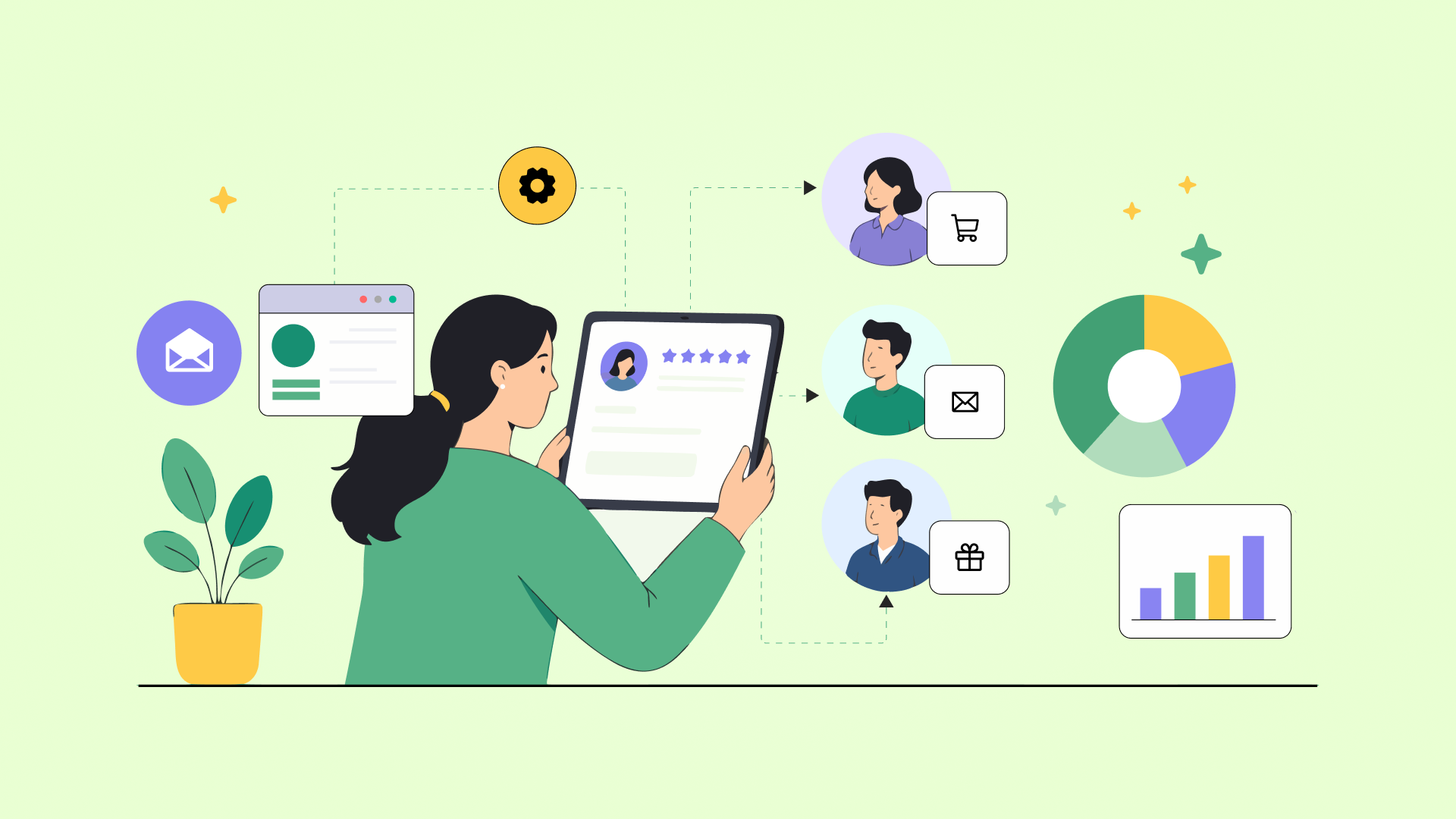


Remember when you searched for running shoes once and suddenly every website seemed convinced you were training for a marathon?
That’s personalized marketing in action. Instead of shouting the same message at everyone, brands use what they know about you—your clicks, searches, purchases, preferences, and behavior to make their marketing feel like it’s designed for you. From Spotify knowing what you’ll probably listen to next to Amazon guessing what you might want to buy, personalization has quietly become part of how we experience brands every day.
But there’s more to personalized marketing than adding your first name to an email. It’s about delivering the right message, to the right person, at the right moment and making the interaction feel relevant rather than random.
What is personalized marketing?
Traditional marketing vs Personalized marketing
How does personalized marketing work?
1. Collect customer data
Personalization starts with data. Marketers collect information from sources such as CRM systems, website interactions, purchase history, email engagement, social media activity, surveys, and customer conversations. This data helps build a clearer picture of who customers are, what they’re interested in, and how they interact with a business.
2. Analyze behavior and preferences
Raw data becomes useful when marketers analyze it for patterns and trends. They can look at what products customers browse, which emails they open, what content they engage with, how frequently they purchase, or where they are in the customer journey. These insights help marketers understand customer intent and identify opportunities to make their messaging more relevant.
3. Create customer segments
Once customer behavior is understood, marketers can group people based on shared characteristics or behaviors. For example, an e-commerce business might create segments for first-time visitors, repeat customers, high-value customers, or people who abandoned their carts. More advanced personalization can use real-time behavior and predictive analytics to create highly specific audience segments.
4. Develop personalized content
The next step is creating content and offers that match each customer's needs or interests. This could include personalized emails, product recommendations, targeted offers, dynamic website content, or tailored messages. The goal isn't simply to add someone's name to an email; it’s to make the entire experience more relevant to their needs and stage in the customer journey.
5. Deliver them through the right channel
Even a highly relevant message can be ineffective if it reaches customers through the wrong channel. Marketers use customer preferences and engagement data to determine whether a message should be delivered through email, SMS, WhatsApp, social media, a website, push notification, or another channel. The timing also matters; reaching a customer when they are most likely to engage can make personalization even more effective.
6. Measure and optimize performance
Personalized marketing isn't a set-it-and-forget-it strategy. Marketers track metrics such as click-through rates, engagement, conversions, customer retention, and revenue to understand what's working. They can then test different messages, offers, segments, channels, and timings and use the results to continuously improve their campaigns.
Types of personalized marketing
1. Personalized email marketing
Personalized email marketing goes beyond adding a customer's first name to the subject line. It uses information such as purchase history, interests, browsing behavior, and engagement to send more relevant emails. For example, an online fashion store might recommend products based on a customer's previous purchases or send a reminder when they leave items in their cart.
2. Personalized product recommendations
Product recommendations use customer data to suggest products that are likely to interest a particular customer. E-commerce platforms often recommend products based on previous purchases, browsing history, similar products viewed by other customers, or items in a customer's cart. Amazon's "Recommended for You" suggestions are a familiar example of this approach.
3. Personalized website experiences
Personalized websites dynamically change what a visitor sees based on their behavior, preferences, location, or previous interactions. A returning visitor might see products related to their previous searches, while a first-time visitor might see introductory content or a new-customer offer. This makes the website experience more relevant without requiring every visitor to navigate the same journey.
4. Personalized ads
Personalized advertising uses customer and behavioral data to show people ads that are more relevant to their interests and intent. For example, someone who recently browsed running shoes might see advertisements featuring running shoes or related products. Marketers can personalize factors such as the audience, creative, product, offer, and timing.
5. Personalized content
Personalized content adapts marketing materials to match a customer's interests, needs, or stage in the buying journey. This could include recommending relevant blog posts, showing different website content to different audiences, or sending educational resources based on a customer's interests. In B2B marketing, for example, a company might show different content to a startup founder than it would to an enterprise buyer.
6. Personalized offers and discounts
Instead of giving every customer the same promotion, businesses can tailor offers based on purchase history, loyalty, preferences, or customer lifecycle stage. A first-time customer might receive a welcome discount, while a loyal customer could receive an exclusive reward. Personalized offers can make promotions feel more relevant while encouraging customers to take action.
7. Personalized SMS and whatsapp marketing
SMS and WhatsApp allow businesses to deliver highly relevant, direct messages based on customer behavior and preferences. These could include order updates, appointment reminders, abandoned-cart messages, personalized product recommendations, or special offers. Because these channels are more direct and personal, businesses should focus on sending useful, timely messages rather than overwhelming customers with promotions.
8. Location-based personalization
Location-based personalization uses a customer's geographic location to tailor marketing messages, offers, or recommendations. A restaurant might promote a nearby outlet, a retail brand could advertise a store-specific offer, or a travel company might show destinations based on a customer's region. Location can make a marketing message more useful by adding local context.
9. Behavior-based personalization
Behavior-based personalization responds to what customers actually do rather than relying only on demographic information. Marketers can use actions such as pages visited, products viewed, emails opened, purchases made, or features used to determine what message a customer should receive next. For example, someone who repeatedly views a particular product but doesn't purchase it could receive a reminder, product comparison, or relevant offer.
Personalized marketing examples
1. Spotify
Spotify is one of the best-known examples of personalized marketing. It uses listening history, favorite artists, genres, playlists, and listening patterns to recommend music that matches each user's taste. Features such as Discover Weekly, Release Radar, and Spotify Wrapped turn individual listening data into personalized recommendations and experiences. Instead of promoting the same music to everyone, Spotify makes the experience feel unique to each listener.
2. Netflix
Netflix uses personalization to determine what movies and shows are most likely to interest each viewer. It considers factors such as viewing history, genres watched, ratings, and interactions with content to generate personalized recommendations. Even the titles and content displayed on the homepage can vary between users. This helps Netflix reduce the effort of finding something to watch while encouraging viewers to spend more time on the platform.
3. Amazon
Amazon uses personalization extensively across its shopping experience. Customers see product recommendations based on their browsing history, previous purchases, searches, and products they have viewed. Sections such as “Recommended for you” and “Customers who bought this also bought” help shoppers discover products that are relevant to their interests. Amazon also uses personalized emails and notifications to bring customers back to products or categories they have interacted with.
4. Swiggy/Zomato
Food delivery platforms such as Swiggy and Zomato use customer data to personalize restaurant and food recommendations. Your previous orders, preferred cuisines, location, search history, and ordering patterns can influence what appears on your home screen. For example, someone who frequently orders biryani may see biryani restaurants and related offers more prominently, while a vegetarian customer may receive recommendations that better match their preferences. Personalized offers and notifications can also encourage customers to place another order.
5. Flipkart
Flipkart uses personalization to make its large product catalogue easier to navigate. Recommendations can be influenced by a customer's searches, browsing activity, previous purchases, and products they have interacted with. A customer who frequently browses smartphones, for example, may see more mobile phones, accessories, and related offers. Personalized recommendations help Flipkart surface relevant products without requiring customers to search through thousands of options.
Data used in personalized marketing
1. Demographic data
Demographic data includes basic information such as age, gender, location, occupation, income range, and other relevant characteristics. Marketers can use this information to create broad customer segments and tailor campaigns to different audiences. For example, a financial services company might promote different products based on a customer's age group or location.
2. Purchase history
Purchase history shows what a customer has bought in the past, including the products or services they purchased and how frequently they make purchases. This information can be used to recommend related products, create personalized offers, or remind customers when they may need to make another purchase.
3. Browsing behavior
Browsing behavior reveals what customers are interested in based on how they navigate a website or app. Marketers can track signals such as products viewed, categories explored, searches performed, and pages visited. For example, repeatedly viewing a particular product category can indicate an interest that can be used to personalize future recommendations or advertising.
4. Website interactions
Website interactions provide insights into how customers engage with a brand online. This can include actions such as clicking buttons, downloading resources, signing up for a trial, watching videos, or abandoning a shopping cart. These interactions help marketers understand customer intent and deliver messages based on where someone is in their journey.
5. Email engagement
Email engagement data shows how customers respond to marketing emails. Metrics such as opens, clicks, replies, and conversions can help marketers understand which topics and offers resonate with different customers. For example, someone who regularly clicks emails about a particular product category can receive more content related to that interest.
6. Customer preferences
Customer preferences are information customers explicitly provide about what they like, need, or want to receive. This could include preferred products, communication channels, content topics, or messaging frequency. Collecting these preferences directly can make personalization more accurate because marketers don't have to rely entirely on inferred behavior.
7. CRM data
CRM data brings together valuable information about a customer's relationship with a business. It can include contact details, lead status, customer lifecycle stage, sales interactions, support conversations, previous activities, and account information. By connecting this data with marketing activities, businesses can create more consistent and personalized experiences across the customer journey.
8. Transaction history
Transaction history provides a detailed record of customer purchases and interactions with a business, including order value, purchase frequency, payment information, and transaction dates where appropriate. Analyzing these patterns can help marketers identify high-value customers, understand purchasing cycles, and create relevant promotions or retention campaigns.
Personalized marketing strategies
1. Segment your audience
Not every customer has the same needs, interests, or buying intent, so treating everyone the same can make marketing less effective. Segment your audience based on factors such as demographics, purchase history, interests, location, customer lifecycle stage, or engagement. This allows you to create campaigns that speak directly to the needs of different customer groups.
2. Use behavioral data
What customers do can often tell you more than what they tell you about themselves. Track actions such as pages visited, products viewed, emails clicked, searches performed, and previous purchases to understand customer intent. For example, someone who repeatedly views a particular product may be more interested in a product-focused message than a general promotional email.
3. Personalize email campaigns
Instead of sending the same email to your entire database, tailor campaigns based on customer interests, behavior, and lifecycle stage. You can personalize product recommendations, content, offers, subject lines, and even the timing of emails. For example, a new customer could receive a welcome series, while a repeat customer could receive recommendations based on their previous purchases.
4. Recommend relevant products
Product recommendations can help customers discover items that match their interests while creating additional opportunities for businesses to drive sales. Recommendations can be based on browsing behavior, purchase history, products frequently purchased together, or similar customers' behavior. E-commerce platforms commonly use this strategy to personalize the shopping experience.
5. Create dynamic website content
A website doesn't have to look exactly the same for every visitor. Dynamic content can change based on factors such as a visitor's location, previous interactions, interests, or customer status. For example, a returning visitor could see products or content related to their previous activity, while a first-time visitor might see an introductory offer.
6. Use lifecycle-based messaging
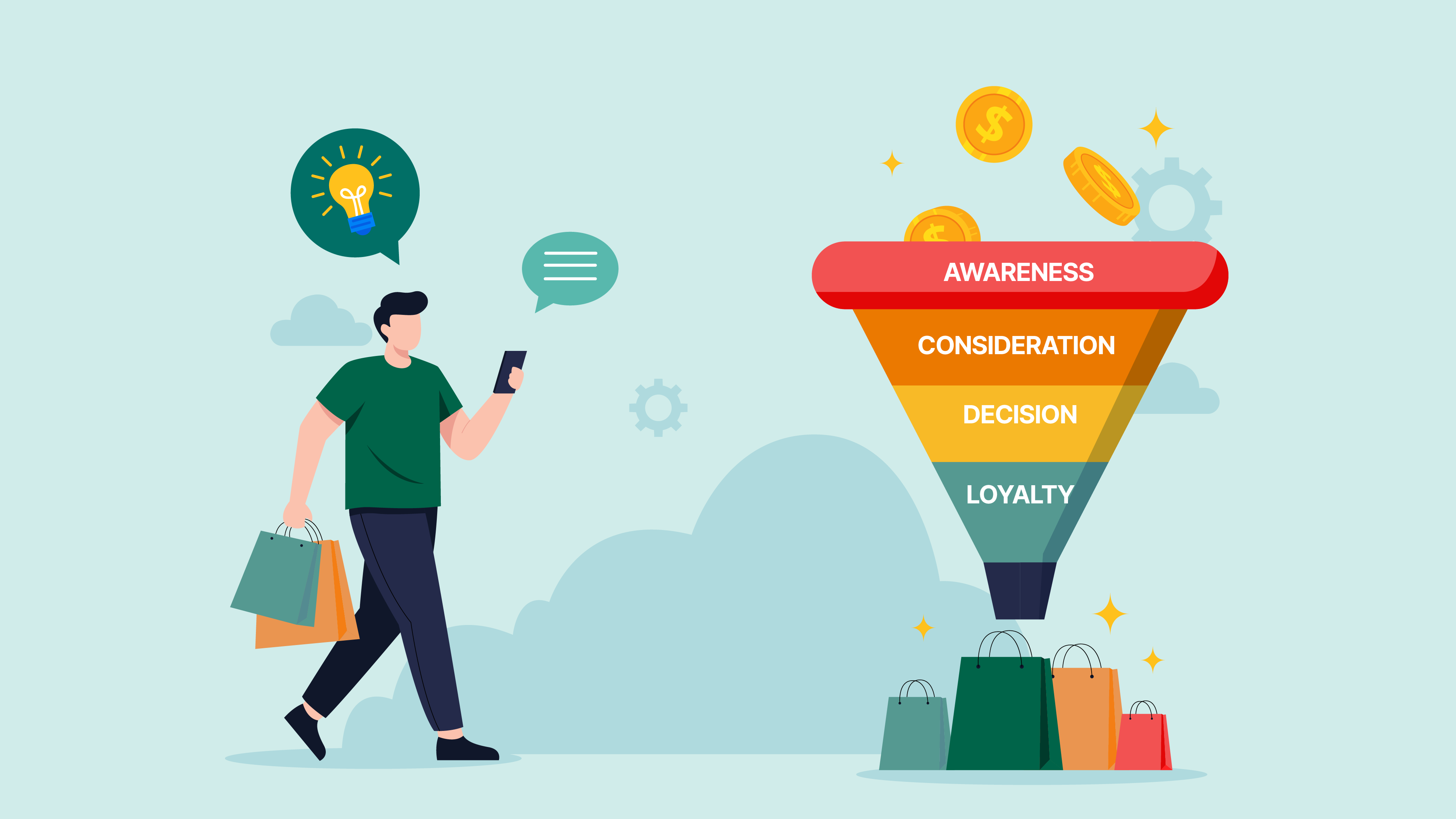
Customers need different messages at different stages of their relationship with a business. A new lead might need educational content, while an existing customer may be ready for an upsell or renewal reminder. Map your messaging to stages such as awareness, consideration, purchase, onboarding, retention, and advocacy to make communication more relevant to the customer's current needs.
7. Personalize offers
Instead of sending the same discount to everyone, use customer data to create offers based on purchase history, preferences, loyalty, and engagement. A first-time buyer might receive a welcome offer, while a loyal customer could receive an exclusive reward. Personalized offers can make promotions feel more relevant while helping businesses avoid unnecessary discounts.
8. Use AI for predictive personalization
AI takes personalization a step further by helping marketers predict what customers might want or do next. AI can analyze large volumes of customer data to identify patterns, predict purchase intent, recommend relevant products or content, and determine the best time or channel for communication. For example, an AI system could identify customers who are likely to churn and trigger a personalized retention campaign before they leave.
Best practices for personalized marketing
1. Focus on relevance
Personalization should have a clear purpose: making the customer's experience more relevant. Instead of adding a customer's name to every message, use information such as their interests, behavior, and preferences to deliver content, recommendations, or offers that actually matter to them.
2. Prioritize first party data
First-party data collected directly from customers can provide valuable insights while giving businesses greater control over how that information is used. Use data from sources such as your CRM, website interactions, purchases, surveys, and customer preferences to build personalized experiences. Always collect and use this data responsibly and transparently.
3. Give customers control
Personalization should build trust, not compromise it. Be transparent about what data you collect and how you use it, and give customers control over their communication and privacy preferences. When customers understand and can manage how their data is used, personalized marketing becomes a more trustworthy experience.
4. Personalize based on intent
Customer intent can be a stronger personalization signal than assumptions based on demographics alone. Pay attention to actions such as searches, pages visited, products viewed, purchases, and content engagement. These signals can help you understand what a customer is actually interested in and determine what message or experience is most relevant.
5. Maintain clean customer data
Effective personalization depends on accurate data. Duplicate, outdated, incomplete, or incorrect customer information can lead to irrelevant recommendations and poorly targeted campaigns. Regularly clean and update customer data across your marketing and CRM systems to keep personalization accurate.
6. Test and refine your approach
There is no single personalization strategy that works for every audience. Test different messages, offers, content, segments, channels, and timings to see what resonates with customers. Use these insights to continuously refine your campaigns instead of relying on assumptions.
7. Measure business impact
Engagement metrics such as clicks and open rates can show whether customers are responding to personalized campaigns, but they don't tell the whole story. Measure business outcomes such as conversions, revenue, customer retention, customer lifetime value, and marketing ROI to understand whether personalization is actually contributing to growth.
Conclusion
Personalized marketing is ultimately about making marketing feel less like marketing and more like a relevant conversation. By understanding customer behavior, preferences, and intent, brands can deliver experiences that actually matter. The key is simple: use data thoughtfully, personalize with purpose, and make every interaction worth the customer’s attention.


.jpg)

.jpg)
















%201%20(1).svg)
.svg)
.svg)
.svg)
.svg)