
.jpg)


Ever wondered how brands seem to know exactly what you want before you do? Whether it's Flipkart recommending products you've been eyeing or Swiggy suggesting your go-to lunch spot at noon, it's all powered by behavioral marketing. By analyzing how customers browse, shop, and interact with a brand, businesses can deliver personalized experiences that feel timely, relevant, and engaging.
In this blog, we'll explore what behavioral marketing is, how it works, its benefits, strategies, and real-world examples.
What is behavioral marketing?
How does behavioral marketing work?
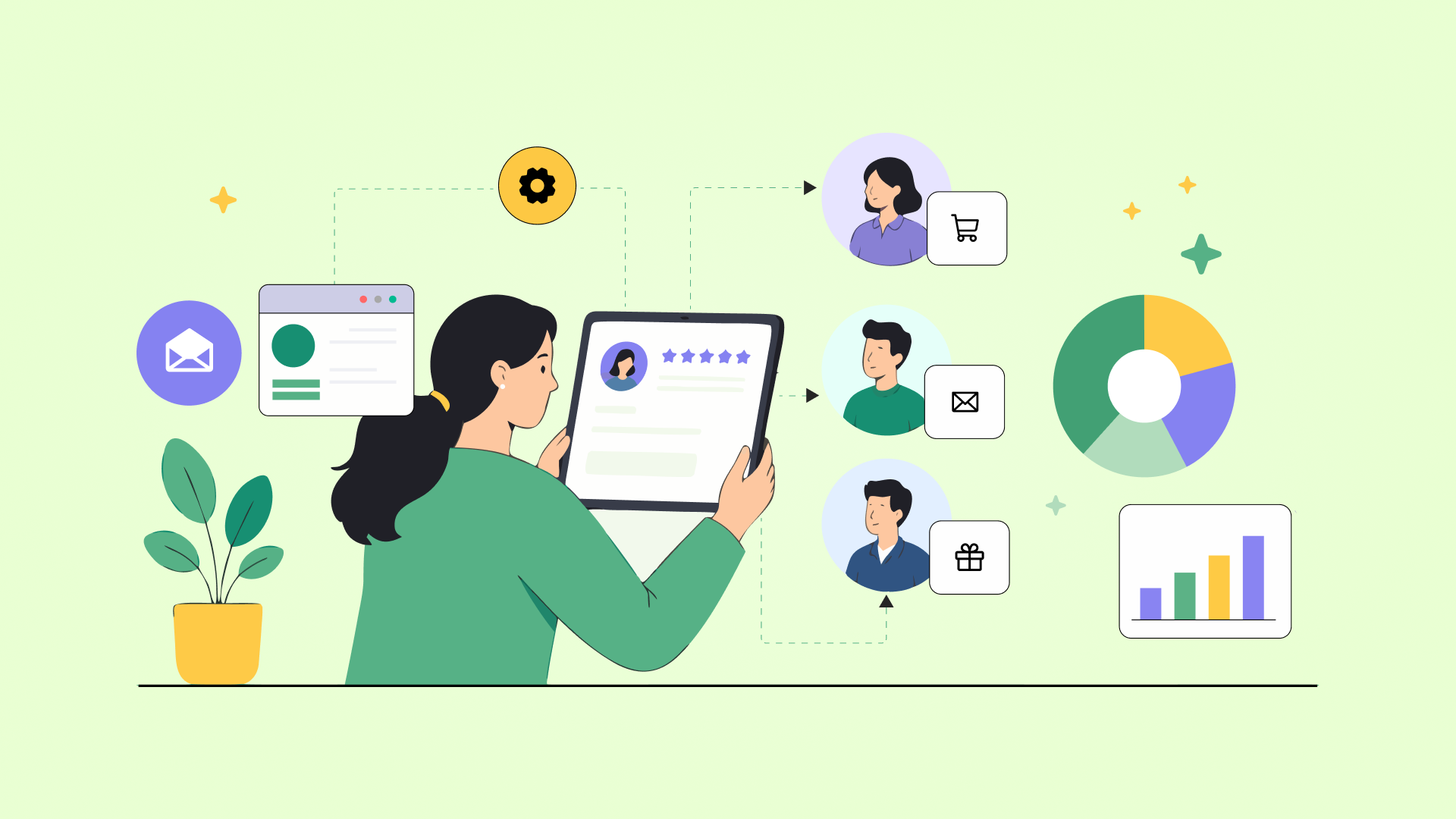
1. Collect behavioral data
The first step is gathering data on how customers interact with your business across different touchpoints. This may include website browsing history, products viewed, purchase history, email opens and clicks, search queries, mobile app activity, social media engagement, and cart abandonment. Businesses typically collect this data using CRM systems, analytics platforms, websites, mobile apps, and marketing automation tools.
2. Analyze customer behavior
Once the data is collected, businesses analyze it to identify patterns, preferences, and buying intent. For example, they may discover that a customer frequently visits a specific product category, abandons their cart before checkout, or regularly opens promotional emails. These insights help marketers better understand customer interests and predict future actions.
3. Segment audiences
Customers are then grouped into audience segments based on their behaviors rather than just demographic characteristics. For instance, businesses can create segments for first-time visitors, repeat buyers, high-value customers, inactive users, or shoppers who frequently abandon their carts. Behavioral segmentation allows marketers to target each group with more relevant and personalized messaging.
4. Personalize campaigns
Using these audience segments, businesses create tailored marketing campaigns that match each customer's interests and stage in the buying journey. This could include personalized product recommendations, dynamic website content, targeted ads, customized email campaigns, or exclusive offers based on previous purchases. Personalization makes marketing more relevant, increasing the likelihood of engagement and conversions.
5. Automate messaging
Marketing automation ensures that customers receive timely messages triggered by specific actions. For example, a customer who abandons their shopping cart may automatically receive a reminder email with a discount, while a loyal customer might receive a personalized reward or product recommendation after making a purchase. Automation enables businesses to engage customers consistently without manual effort.
6. Measure and optimize
Behavioral marketing is an ongoing process that requires continuous monitoring and improvement. Businesses track key performance metrics such as click-through rates, conversions, customer engagement, retention, and revenue to evaluate campaign performance. These insights help marketers refine audience segments, improve personalization, and optimize future campaigns for better results.
Types of behavioral data
Behavioral marketing strategies
1. Behavioral segmentation
Behavioral segmentation groups customers based on how they interact with a brand rather than who they are. Businesses can segment audiences using behaviors such as purchase history, browsing activity, product usage, email engagement, or brand loyalty. This allows marketers to create highly targeted campaigns that resonate with each customer segment.
2. Personalized product recommendations
By analyzing browsing history, past purchases, and customer preferences, businesses can recommend products that are most relevant to each individual. For example, an online fashion retailer may suggest clothing that complements a customer's recent purchase, while a streaming platform recommends shows based on viewing history. Personalized recommendations improve the shopping experience and encourage repeat purchases.
3. Cart abandonment campaigns
Many customers add products to their cart but leave without completing the purchase. Cart abandonment campaigns automatically send reminders via email, SMS, or push notifications to encourage customers to return and complete their order. Businesses often include personalized product images, limited-time discounts, or free shipping offers to increase conversions.
4. Trigger based emails
Trigger based emails are automated messages sent in response to specific customer actions or events. These may include welcome emails after account registration, order confirmations, birthday offers, product review requests, re-engagement emails for inactive customers, or reminders after browsing a product. Because they're sent at the right moment, trigger-based emails tend to generate higher open rates and engagement than generic email campaigns.
5. Dynamic website content
Dynamic websites personalize the content visitors see based on their behavior, preferences, or previous interactions. Returning customers may see recently viewed products, location-specific offers, personalized banners, or tailored landing pages instead of generic content. This creates a more relevant browsing experience and helps move customers further along the buying journey.
6. Loyalty and rewards programs
Behavioral marketing can also strengthen customer loyalty by rewarding desired actions such as repeat purchases, referrals, app usage, or engagement with the brand. Businesses use loyalty programs to offer points, exclusive discounts, early access to products, or personalized rewards based on customer behavior. These incentives encourage repeat business and foster long-term customer relationships.
Behavioral marketing examples
1. Swiggy
Swoggy analyzes customers' ordering habits, favorite cuisines, preferred restaurants, and order timings to deliver personalized recommendations. For example, users who frequently order biryani on weekends may see similar restaurant suggestions, exclusive offers, or timely notifications around lunch or dinner when they're most likely to place an order.
2. Myntra
Myntra personalizes its shopping experience based on customers' browsing behavior, favorite brands, purchase history, and style preferences. Its homepage and app recommendations change according to each user's interests, while personalized notifications and emails alert shoppers about discounts on products they've viewed or added to their wishlist, increasing the likelihood of repeat purchases.
3. Zomato
Zomato leverages behavioral data such as restaurant searches, cuisine preferences, previous orders, and location to personalize the user experience. It recommends restaurants based on past ordering behavior, highlights nearby dining options, and sends targeted offers to encourage customers to reorder from their favorite restaurants or try similar cuisines.
4. Nykaa
Nykaa delivers personalized beauty recommendations by analyzing customers' browsing behavior, purchase history, preferred brands, and product categories. It recommends skincare and makeup products tailored to individual preferences, sends reminders to replenish frequently purchased items, and notifies customers about discounts on products they've previously viewed or added to their wishlist.
Behavioral marketing vs Traditional marketing
Behavioral marketing metrics
1. Click-through rate
Click -through rate measures the percentage of users who click on a marketing message, advertisement, email, or call-to-action after seeing it. A high CTR indicates that your content is relevant and compelling to your target audience, making it a key indicator of campaign engagement.
2. Conversion rate
Conversion rate measures the percentage of users who complete a desired action after interacting with a campaign. This action could be making a purchase, signing up for a newsletter, booking a demo, or downloading a resource. It helps businesses evaluate how effectively their personalized campaigns turn customer interest into meaningful outcomes.
3. Customer engagement rate
Customer engagement rate measures how actively customers interact with your brand across channels. It can include actions such as website visits, content views, social media interactions, app usage, and email clicks. Higher engagement typically indicates that your marketing messages are relevant and resonate with your audience.
4. Email open rate
Email open rate tracks the percentage of recipients who open a marketing email. It provides insight into how effective your subject lines, sender reputation, and audience targeting are. While open rates don't guarantee conversions, they help measure the initial effectiveness of email campaigns.
5. Bounce rate
Bounce rate measures the percentage of visitors who leave a website after viewing only one page without taking any further action. A high bounce rate may indicate that visitors didn't find the content relevant, the page loaded slowly, or the user experience didn't meet their expectations. Reducing bounce rates can improve engagement and increase conversion opportunities.
6. Average order value
Average order value measures the average amount customers spend per transaction. Businesses calculate AOV by dividing total revenue by the number of orders during a specific period. Behavioral marketing strategies such as personalized product recommendations, cross-selling, and upselling can help increase AOV by encouraging customers to purchase additional or higher-value products.
7. Cart abandonment rate
Cart abandonment rate measures the percentage of shoppers who add products to their online cart but leave without completing the purchase. A high abandonment rate may point to issues such as unexpected costs, a complicated checkout process, or hesitation before buying. Monitoring this metric helps businesses optimize the checkout experience and improve recovery campaigns, such as automated cart reminder emails or personalized discounts.
Conclusion
Every click, search, purchase, and interaction tells a story about your customers. Behavioral marketing helps businesses turn those signals into meaningful experiences that feel less like advertising and more like helpful recommendations. By combining customer insights with personalization and automation, brands can create marketing that customers actually want to engage with and that's what drives long-term growth.



.jpg)














%201%20(1).svg)
.svg)
.svg)
.svg)
.svg)