



Buyers today already know a lot about brands before their first interaction with you. And when the messaging on every platform - blog post, linkedin, product email, webinar, and review sites is fragmented - it erodes trust and creates uncertainty.
Consistency in brand messaging has become increasingly important because buying journeys have grown more complex. Modern CRM platforms and AI-powered marketing tools have made maintaining consistency much easier.
In this guide, we'll explore what brand messaging means, why it matters, how successful companies build messaging frameworks, and how businesses can maintain consistency across every marketing channel.
What is brand messaging?
Brand messaging is the collection of language, narrative, and communication decisions that define how a company describes itself, its products, and the value it delivers - consistently, across every channel and every customer interaction.
It is not the same as brand identity, though the two are closely related.
Brand messaging is the verbal system - the words, the framing, the tone, the story.
Brand identity is the visual system - the logo, the colours, the typography.
A company can have a strong visual identity and completely inconsistent messaging, and the resulting brand experience will still feel off.
Many people also assume that brand messaging refers only to slogans or taglines. While memorable taglines are part of a brand's communication strategy, they represent only a small portion of its overall messaging. Effective brand messaging encompasses the ideas, values, benefits, and customer outcomes that a company consistently reinforces across all channels.
What makes brand messaging effective?
Strong brand messaging goes beyond describing products or listing features. Instead, it answers the questions customers actually care about:
- What problem does this company solve?
- Why should I trust this business?
- How is it different from alternatives?
- What value will I receive?
- Does this solution align with my goals?
Effective messaging focuses less on what the company wants to say and more on what customers need to hear to make informed decisions.
Components of brand messaging
Brand Purpose
Every strong brand starts with a clear purpose.
Brand purpose explains why a company exists beyond making money. It defines the broader problem the business wants to solve and the impact it aims to create for its customers or society. Purpose shapes business decisions, guides messaging, and gives customers something meaningful to connect with beyond products or services.
For example, Google's purpose is to organize the world's information and make it universally accessible, while Patagonia exists to protect the environment through its business.
It answers the question:Why do we exist?
Mission and Vision Statement
While purpose explains why a company exists, the mission explains what the business does today to fulfill that purpose, and the vision describes the future it wants to create.
Together, they provide direction for employees, customers, and stakeholders while ensuring every business decision aligns with long-term objectives.
For example, a CRM company's mission might be to help growing businesses simplify sales, automate repetitive work, and build stronger customer relationships through AI-powered technology.
They answer the questions:
- What do we do?
- Who do we help?
- How do we create value?
- Where are we going?
Brand Promise
A brand promise is the commitment a business makes to every customer. It defines the experience customers can consistently expect whenever they interact with the brand, regardless of the channel or product.
It must be reflected in the actual customer experience. Consistently delivering on that promise builds trust, strengthens loyalty, and reinforces the brand over time.
It answers the question: What experience do we guarantee?
Value Proposition
A value proposition explains what the business offers, who it serves, and why customers should choose it over market alternatives. It communicates the specific outcome customers receive, the audience it is designed for, and the unique differentiator that makes that outcome possible.
For example, "We help B2B SaaS companies reduce churn by identifying at-risk accounts before they cancel" is a value proposition. "We help businesses grow" is too generic to communicate a meaningful advantage.
It answers the question: Why should customers choose us?
Brand positioning
Brand positioning defines how a business wants to be perceived relative to its competitors. It establishes the target audience, the market category the brand competes in, the unique value it delivers, and the reasons customers should believe that claim.
Every marketing campaign, sales conversation, product launch, and customer success initiative should reinforce the same positioning. When positioning is clear, every team communicates from the same strategic foundation, creating consistency across every customer touchpoint.
The classic positioning statement format example would be: "For [target customer] who [statement of need], [brand name] is the [competitive frame] that [unique benefit] because [reason to believe]."
It answers the question: How do we want to be perceived?
Supporting proof points
Strong messaging is only effective when customers believe it.
Supporting proof points provide credible evidence that validates a brand's claims. These may include customer testimonials, case studies, product benchmarks, industry awards, analyst recognition, customer reviews, certifications, or measurable business outcomes.
The stronger the evidence, the more trustworthy and persuasive the messaging becomes.
They answer the question: Why should customers believe us?
Brand voice & tone
Brand voice defines how a business communicates with its audience. While the tone may change depending on the situation, the voice should remain consistent across every customer interaction.
It establishes the brand's personality through language and communication style, whether that is conversational, technical, authoritative, humorous, or educational. Consistent voice makes the brand recognizable regardless of whether customers are reading a blog, receiving an email, speaking with support, or browsing the website.
It answers the question: How should we sound?
Tagline
A tagline is a short, memorable statement that captures the essence of the brand in just a few words. It reinforces the brand's positioning and gives customers a simple idea they can immediately associate with the business.
The strongest taglines are distinctive, memorable, and remain relevant as the brand grows.
It answers the question: What's our memorable statement?
Building a messaging framework
Turning each component into something a whole company can actually use requires a repeatable process:
Messaging pillars, the 3-4 core themes a brand returns to in every piece of content, get defined once positioning and value proposition are locked. These pillars become the checkpoint every asset gets measured against before it ships.
Channel adaptation comes next: the same pillar can sound different in a LinkedIn caption, a sales deck, and a support email, without changing what it actually says. The words flex. The message underneath doesn't.
From there, most companies formalize this into a messaging guide that sales, marketing, product, and support can all reference, rather than leaving brand voice to individual judgment.
This is the sequence most messaging frameworks follow end to end:
Purpose → Audience → Value Proposition → Messaging Pillars → Brand Voice → Channel Adaptation → Optimization
Where to use brand messaging
How AI-powered brand messaging works
Keeping the messaging consistent and at scale across every channel is where AI has become genuinely useful.
Train AI with your brand guidelines
AI begins by learning how your brand communicates. Businesses feed the system their brand guidelines, including tone of voice, messaging pillars, target audience, preferred vocabulary, writing style, and examples of existing content. This ensures every piece of AI-generated content aligns with the brand's identity instead of producing generic messaging.
Analyze customer data and intent
Once trained, AI analyzes customer data from sources such as CRM records, purchase history, website behavior, email engagement, and previous conversations.
Segment the audience
Based on customer behaviour and engagement patterns, AI automatically segments the audience. This may be based on demographics, industry, purchase history, product usage, lifecycle stage, or buying intent. As customer behaviour changes, these segments are continuously updated, ensuring messaging remains relevant.
Generate personalized messaging
Using these insights, AI creates content tailored to the intended audience. While the core brand message remains consistent, the copy adapts to factors such as the customer's industry, stage in the buying journey, previous interactions, and communication preferences. This allows businesses to personalize messaging at scale without losing brand consistency.
Measure performance and optimize
Campaign performance data such as engagement, click-through rates, conversions, customer responses, and revenue is continuously analyzed. AI identifies which messages perform best, recommends improvements, and helps marketers optimize future campaigns based on those insights.
Brand messaging examples
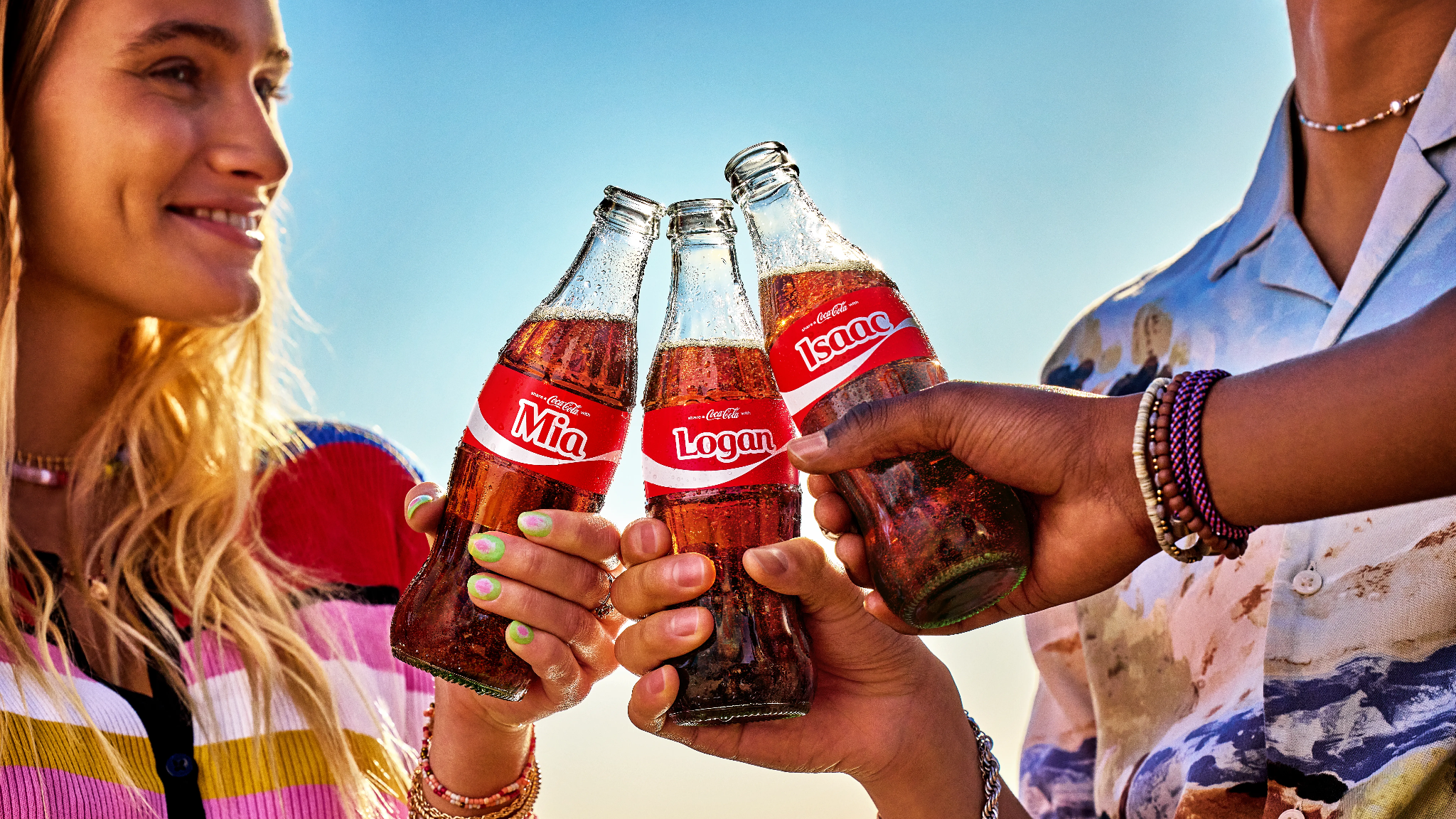
Brand: Coca cola
Core message: Bring people together through moments of happiness and connection.
How they communicate: Campaigns like ‘Share a Coke’ and holiday advertisements focus on friendship, family, and shared experiences instead of the product itself.
Brand: Apple
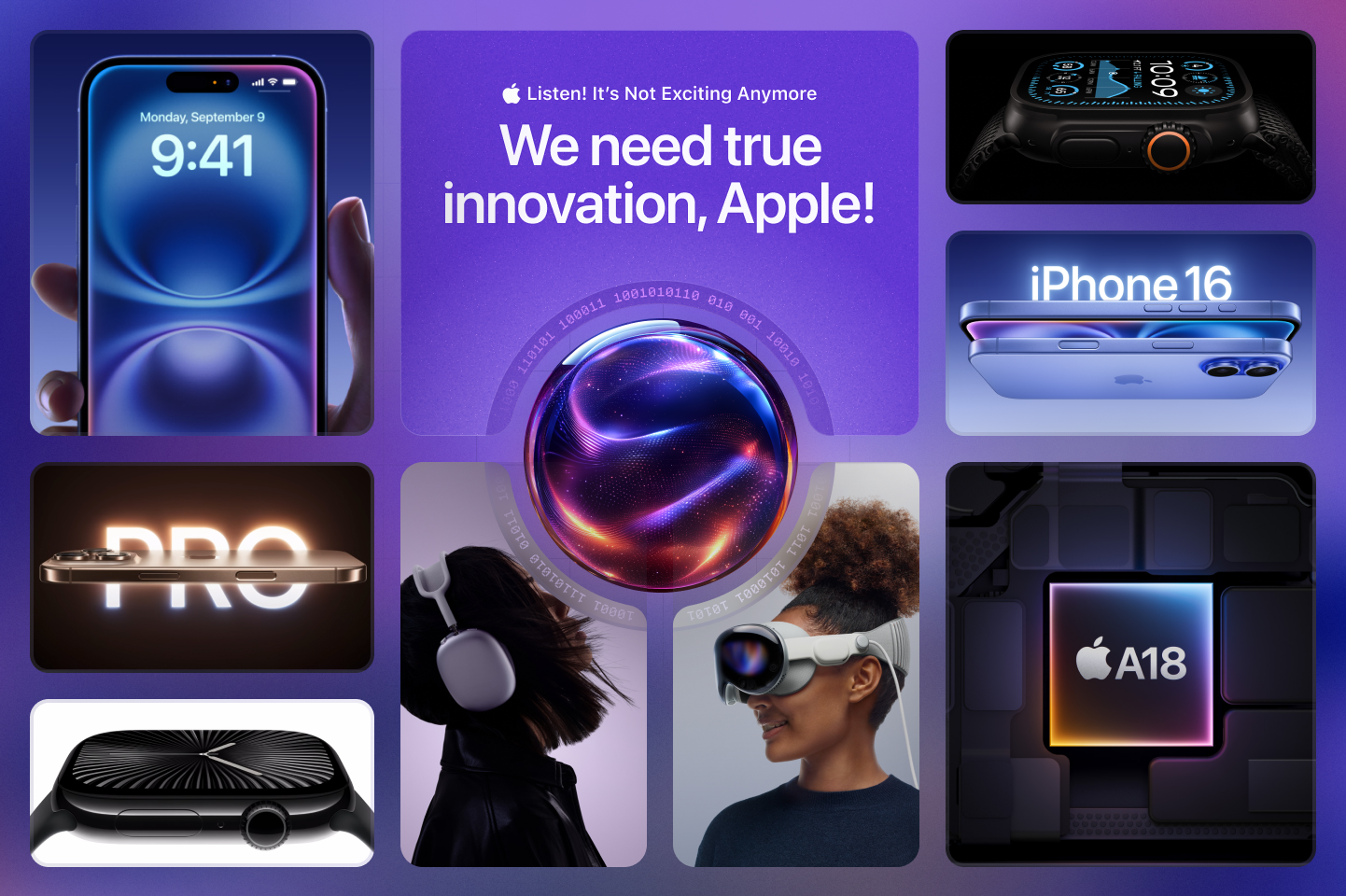
Core message: Technology should be simple, intuitive, and beautifully designed.
How they communicate: Apple's messaging emphasizes simplicity, innovation, creativity, and premium user experience across its website, product launches, packaging, and advertising.
Brand: Nike
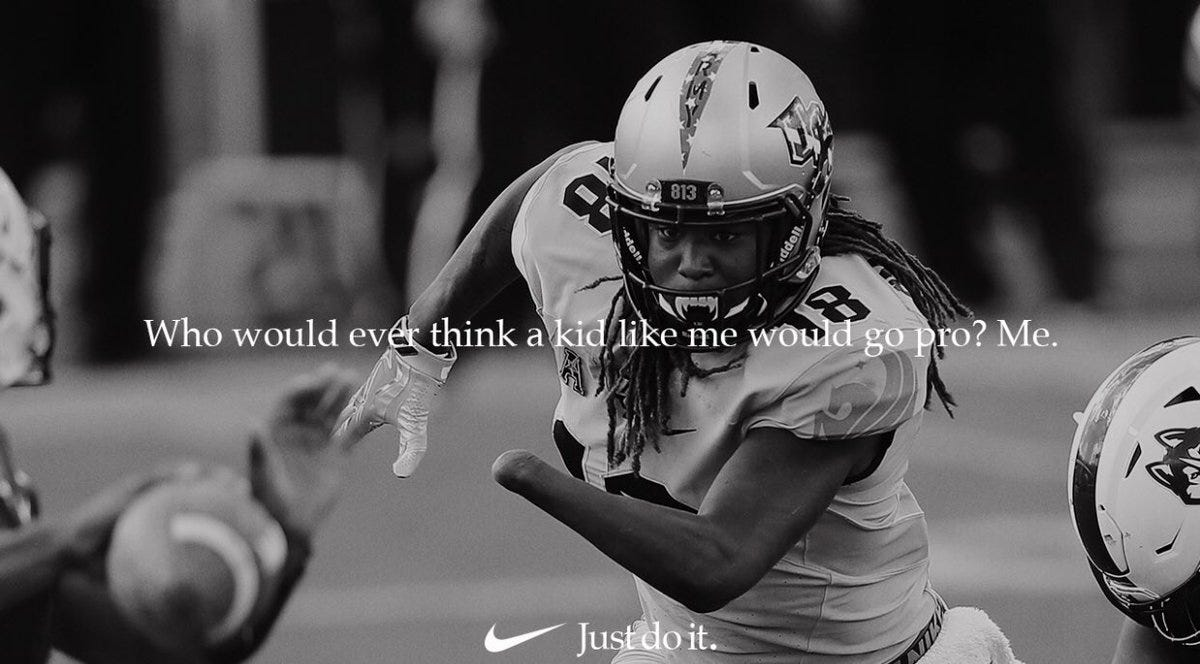
Core message: Every athlete has the potential to achieve greatness.
How they communicate: Through inspirational storytelling, athlete partnerships, and with iconic campaigns like “Just Do It” and “Why Do It”, Nike focuses on perseverance, ambition, and personal achievement rather than simply selling sportswear.
Brand: Slack
Core message: Make work simpler, faster, and more collaborative.
How they communicate: Slack's messaging focuses on reducing workplace friction, improving communication, and helping teams work more efficiently.

Brand: Airbnb
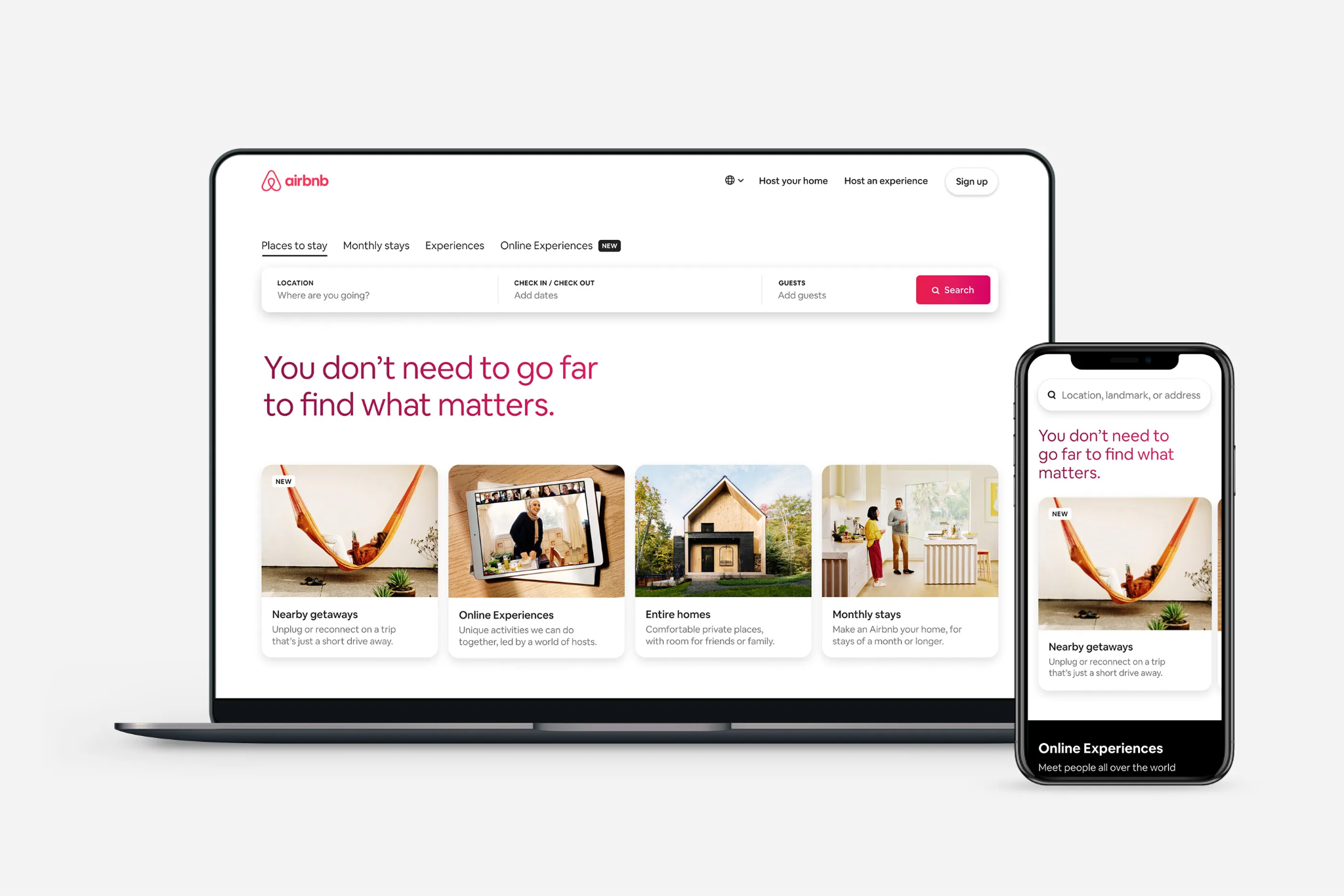
Core message: People should feel like they belong anywhere in the world.
How they communicate: Airbnb's messaging centers on authentic travel experiences, local communities, and belonging rather than accommodation features alone.








.jpg)

.jpg)





























%201%20(1).svg)
.svg)
.svg)
.svg)
.svg)