



Generating thousands of leads doesn't always translate into more sales. In fact, many B2B organizations spend valuable time and resources pursuing prospects that never become customers. Rather than focusing on quantity, successful businesses are shifting their attention to quality and that's exactly what account-based marketing (ABM) is designed to achieve.
ABM helps businesses identify their highest-value accounts and create personalized marketing and sales strategies to engage them effectively. The result is stronger customer relationships, better collaboration between sales and marketing teams, and a more efficient path to revenue growth.
This guide covers everything you need to know about account-based marketing, including how it works, its benefits, different strategies, and tips for implementing it successfully.
What is account-based marketing?
How does account-based marketing work?
1. Identify target accounts
The first step in ABM is determining which organizations are most likely to benefit from your products or services. Businesses often create an Ideal Customer Profile (ICP) based on factors such as industry, company size, revenue, location, and business needs. Prioritizing accounts that align with these criteria helps teams focus their efforts on opportunities with the greatest potential value.
2. Research stakeholders
B2B purchasing decisions rarely involve a single individual. Within each target account, there may be decision-makers, influencers, and end users who play different roles in the buying process. Understanding their responsibilities, priorities, and pain points enables businesses to develop more relevant and impactful communications.
3. Create personalised campaigns
Once target accounts and key stakeholders have been identified, businesses can develop tailored campaigns that address specific challenges and goals. This may include customised content, targeted advertisements, personalised emails, or industry-specific resources designed to resonate with each account's unique needs.
4. Coordinate sales and marketing efforts
ABM is most effective when sales and marketing teams work together toward shared objectives. By collaborating on account selection, messaging, and engagement strategies, both teams can deliver a more consistent experience throughout the buyer journey and improve the likelihood of conversion.
5. Measure and optimize
The final step involves evaluating the performance of ABM initiatives and identifying areas for improvement. Businesses can monitor metrics such as account engagement, meeting opportunities, pipeline progression, and revenue generated to assess success. These insights can then be used to refine future campaigns and strengthen overall ABM performance.
Types of account-based marketing strategies
1. One to one ABM
One to one ABM is the most personalised form of account-based marketing. This approach focuses on a small number of high-value accounts, often treating each account as a unique market. Marketing and sales teams work closely together to develop customised campaigns, tailored messaging, and account-specific content designed to address the individual needs and challenges of each organization.
2. One to few ABM
One to few ABM targets small groups of accounts that share similar characteristics, such as industry, business objectives, or common pain points. Instead of creating entirely unique campaigns for each account, businesses develop tailored initiatives that can resonate with multiple organizations within the same segment.
3. One to many ABM
One to many ABM leverages technology and automation to engage a larger number of accounts simultaneously. Accounts are grouped based on shared traits, and campaigns are designed to deliver personalised messaging at scale through channels such as email marketing, digital advertising, and marketing automation platforms.
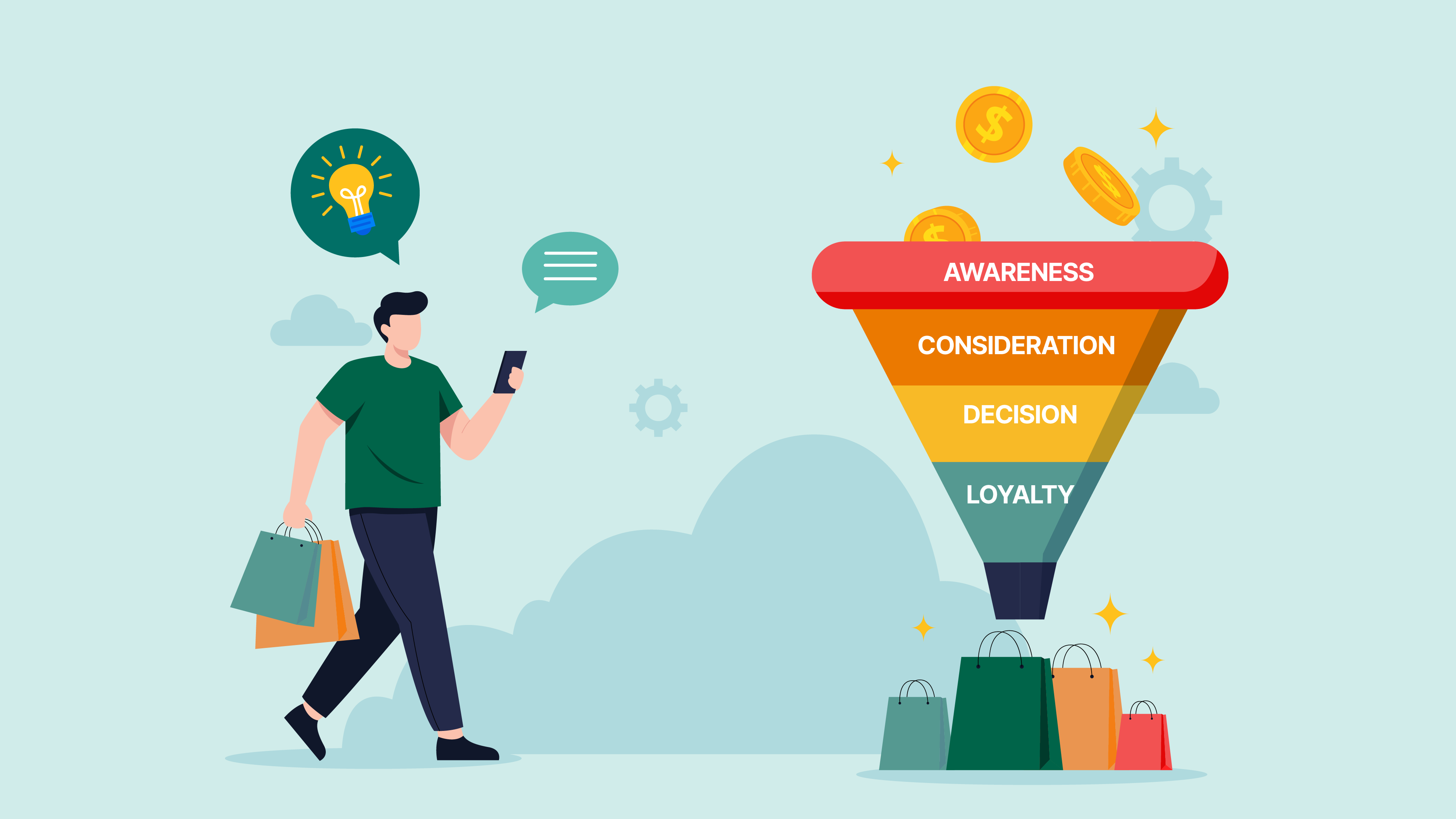
Account-based marketing metrics: What to measure at each stage
Measuring the success of an Account-Based Marketing (ABM) strategy requires more than tracking leads or website traffic. Since ABM focuses on building relationships with high-value accounts, businesses should evaluate performance at every stage of the customer journey. Monitoring the right metrics helps identify what's working, uncover opportunities for improvement, and maximize the return on your ABM efforts.
1. Awareness stage
At the awareness stage, the goal is to determine whether your target accounts are discovering and interacting with your brand.
Key metrics to track:
- Website visits from target accounts
- Unique account visitors
- Content downloads
- Ad impressions and click-through rate (CTR)
- Social media engagement from target accounts
2. Engagement stage
Once accounts become aware of your business, the next step is measuring how actively they engage with your content and outreach efforts.
Key metrics to track:
- Email open and click-through rates
- Time spent on key webpages
- Webinar or event registrations
- Content consumption across channels
- Meetings or demo requests
- Engagement score by account
3. Pipeline stage
At this stage, businesses should evaluate how effectively engaged accounts are progressing through the sales pipeline.
Key metrics to track:
- Marketing Qualified Accounts (MQAs)
- Sales Accepted Accounts (SAAs)
- Sales Qualified Accounts (SQAs)
- Pipeline value generated
- Opportunity creation rate
- Average sales cycle length
4. Revenue stage
The revenue stage measures the direct business impact of your ABM initiatives and whether they contribute to business growth.
Key metrics to track:
- Win rate
- Deal size
- Revenue generated from target accounts
- Customer acquisition cost (CAC)
- Return on investment (ROI)
- Revenue influenced by ABM campaigns
5. Customer growth and retention stage
ABM doesn't end after a sale is closed. Measuring customer success and long-term account growth helps businesses maximize lifetime value and strengthen relationships.
Key metrics to track:
- Customer retention rate
- Renewal rate
- Upsell and cross-sell revenue
- Customer Lifetime Value (CLV)
- Net Revenue Retention (NRR)
- Customer satisfaction (CSAT) or Net Promoter Score (NPS)
Common mistakes to avoid in account-based marketing
1. Treating ABM as a short-term campaign
ABM is often mistaken for a one-off marketing initiative designed to generate quick wins. In reality, it is a long-term strategy focused on building meaningful relationships with high-value accounts. Organizations that prioritize immediate results may struggle to realize the full potential of their ABM programs.
2. Assuming that more personalization is always better
While personalization is central to ABM, excessive customization can consume significant time and resources without delivering proportional returns. Businesses should adopt a level of personalization that aligns with the value and complexity of each target account.
3. Overlooking internal readiness
Successful ABM requires organizational commitment. Without clearly defined roles, leadership support, and collaboration across teams, even well-designed campaigns can lose momentum. Companies should ensure they have the necessary processes and resources in place before scaling their efforts.
4. Adopting ABM because it is trending
AB<has gained widespread popularity in B2B marketing, but it may not be the right fit for every business model. Organizations should assess whether their sales cycle, target audience, and revenue goals align with an account-focused approach before investing heavily in it.
5. Failing to adapt strategies over time
Market conditions, customer priorities, and business objectives evolve. Organizations that rely on a static ABM strategy risk becoming less relevant to their target accounts. Regular evaluation and refinement are essential to maintaining effectiveness.
6. Ignoring the customer experience after conversion
ABM should not end once a deal is closed. Continuing to deliver value throughout the customer journey can strengthen relationships, improve retention, and uncover opportunities for expansion.
Conclusion
Account-based marketing shifts the focus from reaching as many prospects as possible to building meaningful relationships with the accounts that matter most. By aligning sales and marketing efforts, personalizing customer experiences, and targeting high-value accounts, businesses can improve engagement, shorten sales cycles, and drive sustainable revenue growth.
Whether you're just getting started with ABM or looking to refine your existing strategy, success lies in choosing the right accounts, delivering relevant experiences, and continuously optimizing your approach. With the right strategy and tools in place, account-based marketing can become a powerful driver of long-term business success.










.jpg)

.jpg)
























%201%20(1).svg)
.svg)
.svg)
.svg)
.svg)