



Long before they become leads or customers, they’re discovering problems, exploring solutions, comparing options, and figuring out what they actually need. Demand generation is about being there during that journey; not just when someone is finally ready to buy.
By creating awareness, educating your audience, and building genuine interest in your offering, demand generation helps turn unfamiliar prospects into people who actively want to hear from your brand.
But how does demand generation actually work? What strategies and channels can you use to create demand, and how do you know if they’re working? Let’s explore.
What is demand generation?
Demand generation vs Lead generation
In simple terms, demand generation creates interest in your brand, while lead generation converts that interest into identifiable prospects.
Why does demand generation matter in modern sales and marketing?
- Builds brand awareness
- Helps in attracting high-quality leads
- Supports longer buyer journeys
- Strengthens sales and marketing alignment
- Drives sustainable growth
How does demand generation work? (Step-by-Step Framework)
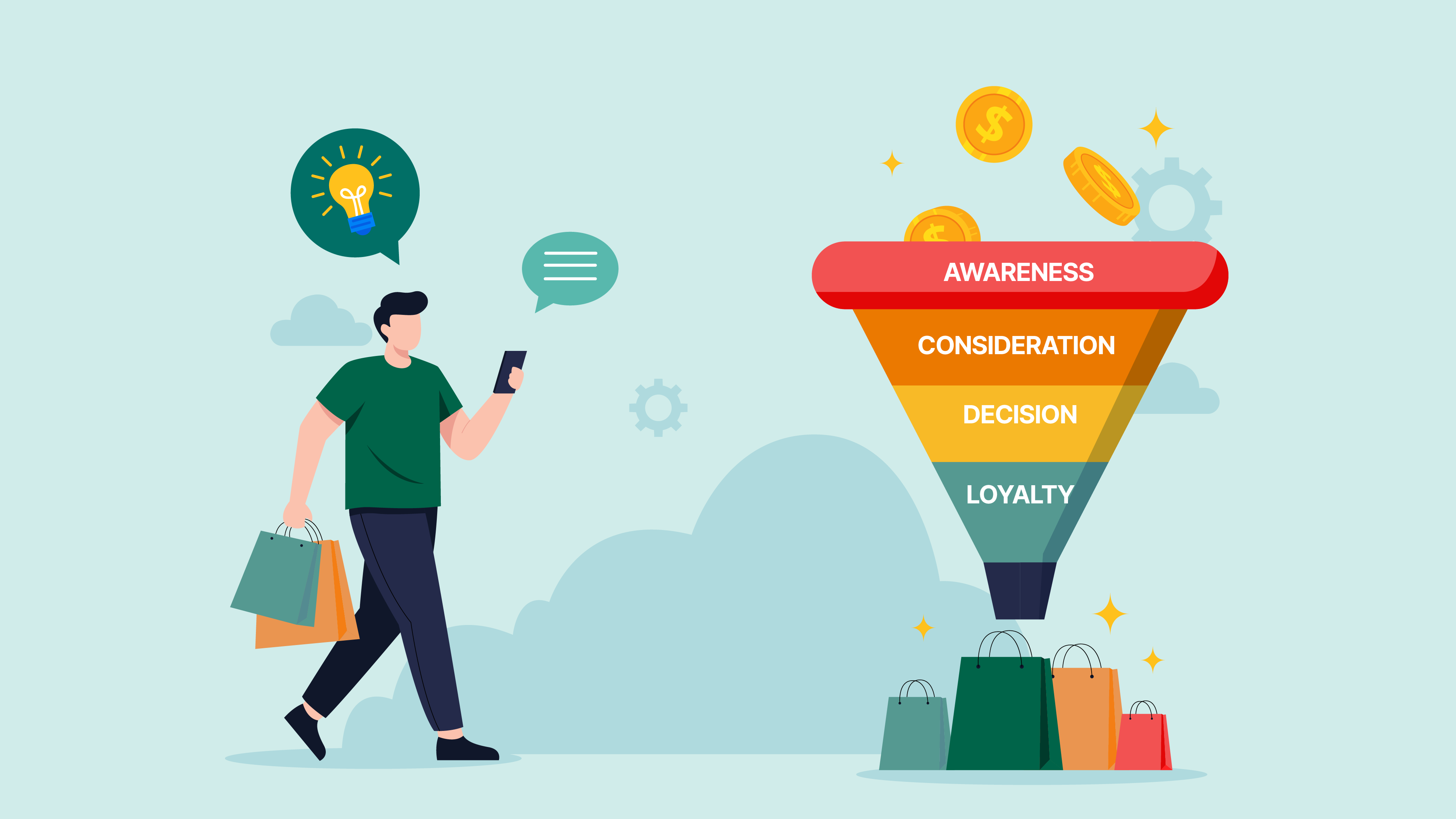
Demand generation involves creating awareness, building interest and nurturing potential customers until they are ready to make a purchase.
1. Attract the right people
Begin by attracting the right audience through channels such as content marketing, SEO, webinars, social media, and paid campaigns.
2. Educate and build interest
Once prospects discover the brand, the next step is to educate them about industry challenges and possible challenges. This can be done through blogs, guides, case studies, and webinars.
3. Capture and qualify leads
As prospects engage with content or campaigns, businesses capture their information through forms, event registrations or newsletters.
4. Nurture prospects
Not all prospects will be ready to buy immediately. Companies nurture leads through targeted emails, personalized content, and ongoing engagement to maintain interest and guide them through the decision-making process.
5. Convert interest into a sale
When prospects exhibit strong buying signals, they are passed to the sales team as qualified opportunities. The sales team can directly engage with them through demos, consultations or proposals to convert them into a buyer.
Demand generation budget allocator
Core demand generation channels
1. Content marketing
Content marketing is the backbone of most demand generation strategies. Businesses create valuable content such as blogs, case studies, guides, videos to educate customers about their products and services.
2. SEO and organic search
SEO helps businesses capture demand from people looking for solutions online. By optimizing website pages, blogs, and resources for relevant keywords, companies can improve their visibility on search engines.
3. Linkedin and social selling
Platforms like LinkedIn allow companies to directly engage with potential customers. Through thought leadership posts, meaningful conversations, and personalized outreach, businesses can build relationships with prospects.
4. Webinars and events
Webinars, virtual events, and in person conferences give businesses the opportunity to showcase their expertise while interacting with their audience in real time.
5. Email nurturing
Email nurturing helps maintain consistent communication with leads over time so that the brand stays at the top of their mind when they’re ready to make a purchase.
6. Community and thought leadership
Building a community around your brand and sharing industry insights can strengthen demand generation efforts.
7. Paid advertising
Paid channels such as search ads, social media ads, and display advertising help businesses reach targeted audiences quickly.
8. Account-based marketing
Account-based marketing focuses on targeting specific high value accounts with personalized campaigns. Instead of broad outreach, businesses tailor messaging and marketing efforts to address the needs of particular companies or decision-makers.
Demand generation metrics
1. Website traffic growth
Website traffic growth indicates whether demand generation activities are successfully driving visitors to your website.
2. Audience engagement
Audience engagement measures how actively customers interact with your brand.
3. MQLs or MQAs
These represent prospects who have shown enough interest to be considered as potential buyers.
4. Pipeline contribution
Pipeline contribution measures how much of the sales pipeline originates from marketing and demand generation efforts.
5. Conversion rates
Conversion rates track the percentage of prospects who take a desired action.
6. Customer acquisition cost
CAC calculates the total expense involved in acquiring a new customer, including marketing and sales costs.
7. Sales cycle length
This measures the time it takes for a lead to move from first interaction to a closed deal.
8. Revenue attribution
This connects marketing efforts directly to revenue outcomes. It helps businesses understand which campaigns, channels, or touchpoints played a role in converting prospects into customers.
Examples of successful demand generation campaigns
Spotify Wrapped Campaign
Spotify’s annual wrapped campaign is a powerful example of demand generation built around personalization and social sharing.
Every year, Spotify provides users with personalised insights about their listening habits, which includes their most played songs, artists and genres. These insights are packaged into visually engaging graphics which users tend to share on their social media.
Airbnb User-Generated Content
Airbnb uses storytelling and user generated content to generate demand. By sharing authentic travel experiences from guests, Airbnb highlights unique stays and destinations.
These stories inspire potential customers and build trust in the platform.
Common demand generation mistakes
- Focusing only on lead quantity
- Ignoring the target audience
- Poor alignment between sales and marketing
- Overlooking content quality
- Neglecting lead nurturing
- Relying on a single channel
How does CRM support demand generation?
A CRM like Superleap helps businesses manage and optimize their demand generation efforts by organizing customer data, tracking interactions, and enabling better collaboration between sales and marketing teams.
1. Centralized lead management
A CRM stores all prospect and customer information in a single place, making it easy for teams to track leads, monitor interactions, and manage follow-ups effectively.
2. Better lead qualification
CRM system uses lead scoring and engagement data to identify high quality leads, helping sales teams focus on prospects who are more likely to convert.
3. Lead nurturing
CRMs support automated email campaigns and follow ups, allowing businesses to nurture prospects with relevant content until they’re ready to make a purchase.
4. Sales and marketing alignment
By providing shared visibility into leads and pipeline data, a CRM ensures that both teams work with the same information and collaborate better.
5. Performance tracking
CRM analytics help businesses measure campaign performance, track lead sources, and understand how marketing activities contribute to pipeline and revenue growth.










.jpg)

.jpg)



























%201%20(1).svg)
.svg)
.svg)
.svg)
.svg)