


Before a buyer picks up the phone, sends an enquiry, or walks into a store, they have almost certainly already formed an opinion. They have searched online, read reviews, watched a video, scrolled past an ad, or landed on a blog post. By the time they make first contact, their decision is already half-made.
But there’s something that’s changing in 2026. Many of the google searches now end without a click to the website because an AI overview, and a featured snippet is answering their questions directly on the interface.
This shift in digital marketing is being studied by businesses to compound on its advantages for years to come.
What is Digital Marketing?
Unlike traditional marketing which includes print, TV, radio, and outdoor, digital marketing is measurable, targetable, and adjustable in real time. You can see exactly how many people saw your ad, clicked it, and bought something as a result. You also have the leverage to turn a campaign off mid-week if it is not working and redirect the budget somewhere that is.
Digital marketing is a collection of channels and tactics that work together: search visibility, content, email, paid ads, social, video. Each of these metrics play a different role in moving a buyer from awareness to decision.
What is changing in 2026 is the weight of each channel and the way success is measured. To win today, businesses must stop chasing traffic and start building authority that AI models and human buyers alike can trust.
Types of Digital Marketing: 9 Channels Explained
Search Engine Optimization (SEO)
SEO is the practice of improving your website's visibility in organic search results. When someone types a query into Google, SEO determines whether your content appears at the top, somewhere in the middle, or not at all.
This metric is crucial, because most buyers still start here. In fact, 67% of B2B buyers prefer to complete their research independently before engaging a sales representative - a finding from Gartner.
However, the game has changed significantly. Searches trigger an AI overview which means, for informational queries, your content needs to be good enough to be cited inside the AI answer, not just ranked below it. This practice is becoming known as Generative Engine Optimization (GEO).
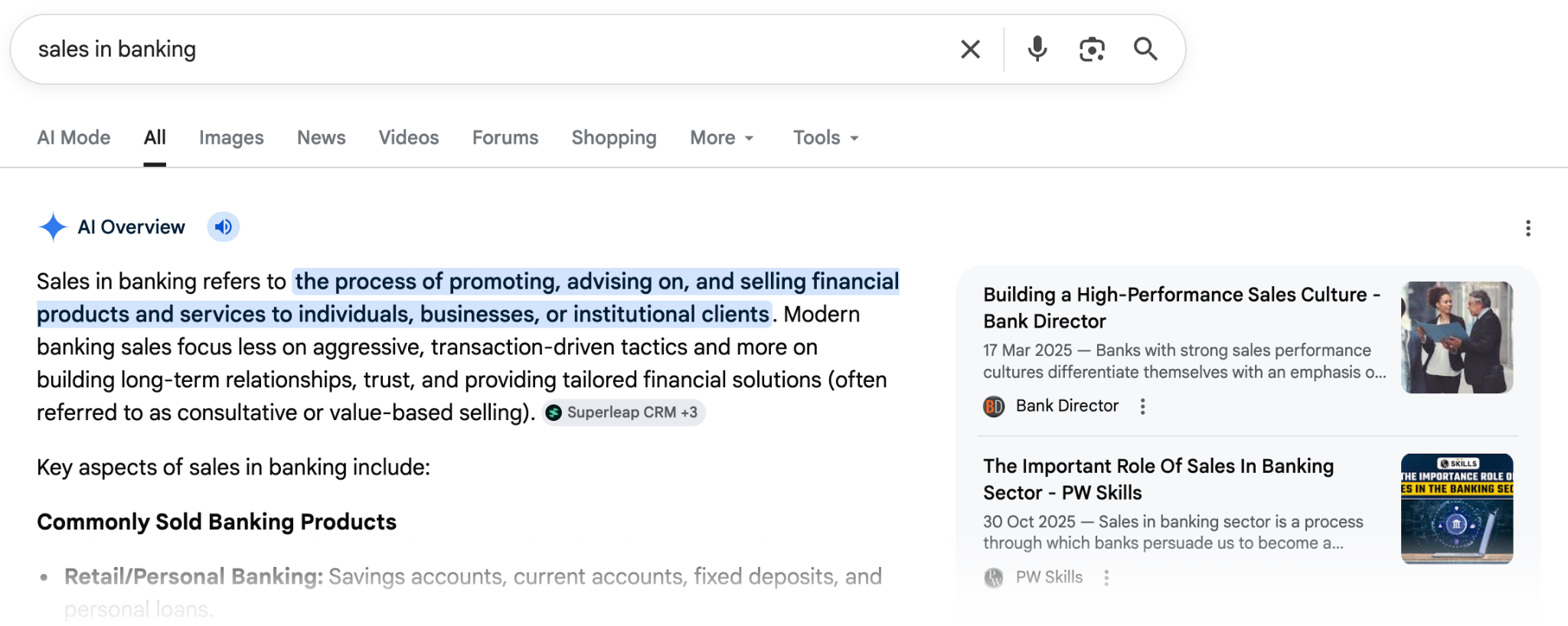
Research by Seer Interactive shows that brands cited in AI Overviews earn 35% more organic clicks and 91% more paid clicks than non-cited competitors.
Practical advice is to write content that directly answers search queries in the first 60 words. Align your heading with the way people search. Include stats and citations from famous personalities to build credibility. Most importantly, update content regularly - Ahrefs research says that AI systems favour fresh content, and pages updated within two months earn 25%-28% more citations than older content.
Content Marketing
Content marketing is the practice of creating and distributing valuable, relevant content to attract and engage a defined audience. Blog posts, whitepapers, case studies, podcasts, webinars, ebooks, and newsletters all fall here.
The principle: instead of interrupting people with ads, give them something worth reading. Build trust before you ask for anything.
According to Content Marketing Institute, the formats driving the best results for B2B marketers are video, case studies and customer stories, and blog posts. 84% of marketers use blog posts for distribution.
One critical shift to note here is that blog content is the number one page type cited in AI overviews. Well-structured, data-rich blog posts that answer specific questions are extremely important for healthy SEO practices. AI systems pull content from here when generating answers.
In practice, this means every penny spent on SEO and content will compound and deliver results over a few years.
Email Marketing
Email marketing is an underestimated channel in digital marketing. 42% of B2B marketers believe it is one of the best content distribution channels that produce results. (Content Marketing Institute)
Well-executed drip campaigns keep leads engaged until they’re ready to talk to sales. Because distribution costs are low, even small email campaigns can produce big revenue with the right message. Read to find effective sales email templates.
What separates effective email marketing from noise is segmentation, personalization, and automation. A study by zerobounce highlights that 46% of consumers only open emails from brands that are consistent and highly relevant with their messages. True personalization in 2026 uses behavioural data - which whitepaper a contact downloaded, which product page they spent time on, which LinkedIn Ad they stopped scrolling on - to trigger specific, value-led sequences.
With search traffic being increasingly interrupted by AI, owned channels like email land directly in inboxes that people check habitually, and have consented to.
Pay-Per-Click Advertising (PPC)
PPC is paid advertising where the business pays every time someone clicks on the Ad. Google Ads is the most popular but LinkedIn Ads, Meta Ads, and Microsoft Ads all play important roles depending on your audience.
The primary appeal of this channel is immediacy. According to Google, businesses make an average of $2 for every $1 they invest. Unlike SEO that takes months to produce results, PPC places you on top of the page (sponsored results).
The best way to get maximum out of this strategy is to segment your customers based on demographics or interest expressed.
The flip side to this is, once you exhaust your budget, traffic halts. Costs rise as more competitors bid on the same keywords. Wordstream research reveals that the CPC across all industries in Google Ads is $5.26 on the search network.
As we progress into 2026, it's important to note that the click-through rate for search results with an AI overview has dropped from 15% to 8%.

For informational queries, paid search faces the same zero-click headwind as organic. This is shifting PPC investment toward transactional and commercial queries where AI Overviews are less prevalent and toward LinkedIn and social platforms for B2B awareness and retargeting.
When used together, PPC and SEO are most powerful. PPC captures immediate demand while SEO builds compounding long-term visibility. PPC data which keywords convert, which audiences click also directly informs a stronger organic strategy.
Social Media Marketing
Social media marketing primarily promotes brand awareness. This includes posts, stories, threads and engaging with followers on platforms such as WhatsApp, Instagram, Facebook, Twitter and LinkedIn.
On this subject, India operates on a different channel map than the west. Before Instagram or LinkedIn, WhatsApp is where Indian B2B deals close.
Over 800 million Indians use WhatsApp (highest globally). Sales representatives routinely share product catalogues, pricing PDFs, demo videos, and purchase confirmations across FMCG, pharma, banking, and distribution over WhatsApp chat rather than email.
The WhatsApp Business API now allows Indian companies to automate this: segmented broadcast lists, abandoned cart reminders, reorder nudges, and Diwali sale alerts - all delivered to the app every buyer checks 40+ times a day.
For brand awareness: Instagram and YouTube dominate B2C. Reels are now the highest-engagement organic format for Indian consumer brands - zero ad spend required if the content is worth sharing.
For B2B demand generation: LinkedIn is where procurement leads, IT managers, and CFOs research vendors before they contact anyone. Indian SaaS companies consistently report LinkedIn InMail as their highest-CPL-but-highest-quality lead channel.
For distribution and retail: Facebook Groups and WhatsApp Groups remain how Tier-2 and Tier-3 India communicates. A regional FMCG sales manager with a 250-member WhatsApp group of kirana store owners can move more product than a ₹5L Instagram campaign.
Remember: Consistency is key. Choose platforms based on where your buyers actually live, not where your competitors post.
Video Marketing
Video is the fastest-growing format in Indian digital marketing and one of the most strategically important for AI visibility.
Long-form video (explainer videos, product demos, webinars, customer success stories) serves mid- and bottom-funnel buyers who need information/evidence before committing. A 3-minute product demo on YouTube can replace five early-stage sales calls. Long-form also keeps viewers on your owned channel longer than any other content format, which builds the engagement signals Google's algorithm rewards.
Short-form video (Instagram Reels, YouTube Shorts) builds brand familiarity that makes every other channel convert better. Indian D2C brands built recognisable identities almost entirely through short-form video before scaling paid advertising. When a buyer already knows your brand from Reels, your Google Ad CTR and email open rate both improve - familiarity precedes trust.
In the context of AI, Ahrefs data shows that youtube is the highest cited source in AI overviews and grew 34% in the last six months.
In the Indian context, Youtube has 500 million active users, making it the single largest content discovery platform in India outside of Google Search itself. If your brand is not on YouTube, you are invisible to a large share of mobile-first Indian buyers who use YouTube the way older generations used television. (Statista)
Account Based Marketing (ABM)
ABM strategy is deployed to target high-value prospects and treat them as individual markets.
The idea is to align sales and marketing on a list of target accounts - and build personalized campaigns, each designed to reach specific stakeholders within those companies.
In India, ABM is most relevant for enterprise SaaS, IT services, and BFSI-focused companies where a single deal is worth ₹25L-₹5Cr and the buying committee includes 5-10 stakeholders: CFO, CTO, a procurement officer, and often a founder or promoter who holds veto power. When relationship and referral still drive the majority of large enterprise deals in India, ABM gives sales and marketing a structured framework to warm an account long before the first sales call happens.
In practice, ABM involves:
(1) Defining a named target account list using ICP criteria (industry, employee count, revenue, geography)
(2) Creating content assets personalised to specific companies and roles - not generic whitepapers
(3) Coordinating outreach across email, LinkedIn, WhatsApp, and direct sales simultaneously
(4) Measuring success at the account level - pipeline created per account - not vanity metrics like impressions or MQL count.
An Adroll study indicates that companies who run account based advertising are 60% more likely to achieve their revenue goals.
Mobile Marketing
Most experiences these days start on a smartphone. As of 2026, mobile devices constitute more than 60% of the global website traffic.
Keeping this in mind, every digital asset that you create must be optimized for a mobile view, be it landing pages, website, emails or ads.
Mobile marketing makes it easier to have a one-on-one with customers with a higher chance of message open rates, considering most of the population is on their phone 24/7.
WhatsApp Marketing in India
Before you plan your social media strategy for India, write this down: WhatsApp has more active users in India than Instagram, Facebook, and LinkedIn combined - and for B2B sales teams, it is the channel where proposals are sent, deals are confirmed, and relationships are maintained.
There are two ways businesses typically use it. WhatsApp Business is the free version designed for small teams that want basic messaging, quick replies, and a business profile. WhatsApp Business API is the paid, scalable version used by companies that want automation, broadcasts, CRM integrations, and structured campaigns.
In B2B environments in India, WhatsApp often becomes the practical working channel after the first conversation. Sales teams share proposals directly in chat, send short demo video links, follow up after meetings, and confirm schedules - many of these interactions happen faster on WhatsApp than email.
For B2C brands, the use cases are slightly different but equally effective. Businesses recover abandoned carts by sending the exact product a customer viewed along with a limited-time offer, notify customers about flash sales, and send reorder reminders for fast-moving consumer products.
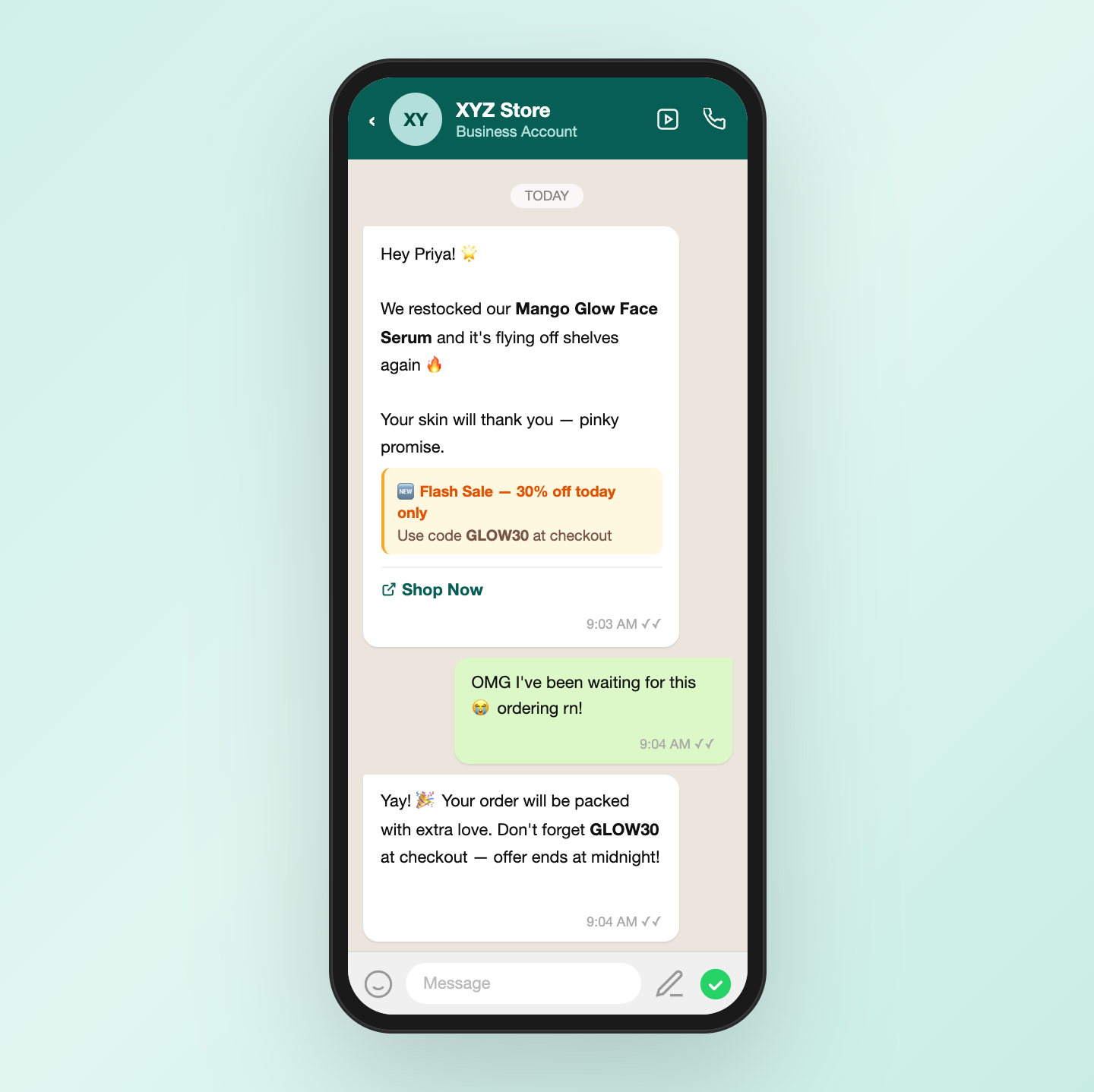
Festival campaigns are where WhatsApp becomes even more powerful. During major Indian buying seasons like Diwali, Eid, and Pongal, brands run broadcast campaigns and limited-time offers that often drive higher engagement compared to email, especially in consumer-focused segments.
Several tools are commonly used by Indian businesses to manage WhatsApp marketing at scale. These include Superleap CRM for native WhatsApp integration, as well as platforms like Interakt, Wati, and AiSensy, which provide automation, campaign management, and API access.
One critical rule businesses must follow: never send unsolicited WhatsApp broadcasts. Numbers that receive messages without opt-in can report or block the sender, which can lead to account restrictions. Always collect explicit permission before adding any contact to a broadcast list.
When implemented correctly, WhatsApp marketing becomes one of the most effective channels in a digital strategy. Businesses in India that actively use it often see 85–90% message open rates, compared to roughly 20–25% for email, making it one of the highest-engagement communication channels available today.
Advantages of Digital Marketing for Indian Businesses
Digital marketing gives Indian businesses six specific advantages that offline channels simply cannot - and three of them become more powerful the further outside metro cities you operate.
1. Measurability
For the first time, a Ludhiana textile distributor can know their exact cost-per-lead. Traditional marketing might tell you how many brochures were printed or how many people could have seen your ad. Digital tells you what actually happened - how much you spent, how many leads came in, and what each one cost you in rupees.
This clarity changes decision-making. You stop guessing and start allocating a budget based on what’s working.
2. Targeting Precision
Digital lets you narrow your audience in a way offline never could. You can target by geography (Tier-2 cities), by role (IT managers), and even by language (Hindi, Tamil, Telugu audiences).
A Mumbai SaaS startup, for example, can run campaigns that show only to IT managers in Hyderabad - without wasting budget on irrelevant clicks. The result is not just better reach, but more relevant conversations.
3. Festival Season Agility
India’s buying behaviour is deeply seasonal - and digital marketing lets you respond to it instantly. You can turn campaigns on before Diwali, Eid al-Fitr, or Onam, and pause them right after.
This kind of control is impossible with traditional channels like TV or print, where campaigns are locked in advance. With digital, timing becomes a competitive advantage.
4. WhatsApp Accessibility
In India, your customer doesn’t need a laptop, an app download, or even an email ID to engage with your business. All they need is a smartphone - often a ₹8,000 one - and WhatsApp.
That removes friction completely. Enquiries, follow-ups, product demos, even payments - everything can happen on a platform the customer already uses daily.
5. A Level Playing Field for Indian Startups
Digital marketing rewards relevance, not just budget. Search engines don’t prioritize size, they prioritize usefulness. Which means smaller businesses that understand their audience deeply can compete (and win) without massive spend.
6. Compounding Returns
Unlike traditional campaigns that stop delivering the moment you stop paying, digital assets build over time. A blog post or landing page created in 2024 can continue bringing traffic and leads in 2027.
This compounding effect is what makes digital marketing not just a channel, but a long-term growth engine.
How to Build a Digital Marketing Strategy? Step-By-Step Guide
Step 1: Define your Ideal Customer Profile (ICP)
Build a detailed buyer person and map the customer journey. Know their pain points, where they are most active, what are the channels they use for search, and what content formats they prefer.
In B2B, your audience is never just one person. Consider multiple roles and a long sales cycle.
For example, tech buyers may read industry blogs and trust LinkedIn more than random ads.
Step 2: Set Business Goals & KPIs
Every digital marketing strategy must tie to a business goal.
Use the SMART framework: Goals should be Specific, Measurable, Achievable, Relevant, and Time-bound.
What are you aiming to improve? Choose from metrics like website traffic, conversion rate, lead cost (CPL), and ROI. You can validate your results with set industry benchmarks. A report by First Page Sage shows that the average conversion rate in B2B SaaS is 1.1%. If your results are lower, it might be time to optimise your content strategy.
Step 3: Allocate Your Budget Strategically
The allocation across channels should reflect where your audience is and where ROI is strongest for your model. A Forrester study revealed that B2B firms spend 8% of revenue in marketing.
While email and SEO marketing produce high long term ROI, reserve a portion, about 10-20% for newly emerging formats that your target audience might be engaging with.
Measure, test, and improve at regular intervals to keep up with data.
Step 4: Build Content that Matches Buyer Journey
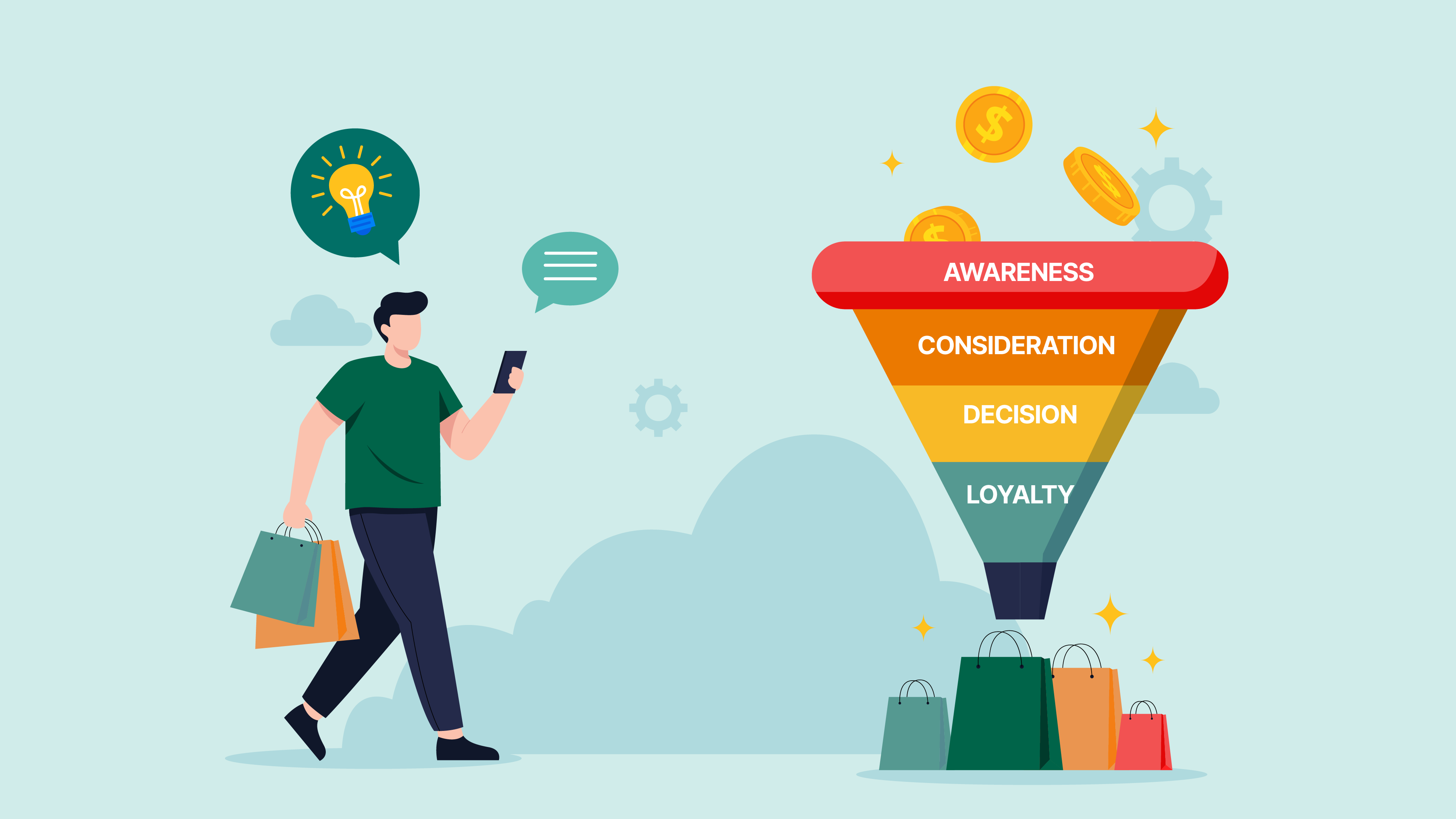
Understand at what stage your customers are in the sales funnel and create content accordingly.
Awareness (ToFu): When they’re discovering options - blog posts.
Interest (MoFu): When they have expressed interest in your product/service - case studies, testimonials, white papers via email to establish trust.
Decision (BoFu): When they show buying intent (hot lead) - Free trial, demo, ROI calculators.
We have established a long sales cycle in the B2B sector. In case the prospect is doubtful, nurture them with relevant information (drip campaigns) to build brand credibility.
Note: Distribute content across channels for better reach. Your core audience might be on LinkedIn, however, creating short information videos on Youtube will help with brand discovery.
Step 5: Build an Execution Framework
Create an editorial and campaign calendar to keep everything aligned.
Map out your content topics, ad campaigns, social posts, and emails in one place. When there’s a launch, let’s say a new feature, push it across all channels with the same core message.
For example: Blog post drops → social clips go out → emails go to your list → ads amplify it.
Everything talks about the same thing. Use marketing automation tools like Mailchimp to schedule it all and see what actually moves the needle.
Execution Tactics and Tools for Digital Marketing
Content & SEO
3-step execution checkpoints
Step 1 - Topic validation
Identify keywords with search volume + buyer intent (comparison, alternatives, pricing, use cases).
Step 2 - Conversion-focused publishing
Ensure each article includes product context, real examples, and internal linking to solution pages.
Step 3 - Performance optimization
Every 60–90 days: refresh top-performing posts, update stats, improve structure, and add new backlinks.
Email & Automation
3-step execution checkpoints
Step 1 - Audience segmentation
Segment by role, company size, industry, and stage in the buying journey.
Step 2 - Lifecycle automation
Create automated flows:
- Lead magnet download
- Demo request follow-up
- Product education sequence
Step 3 - Optimization review
Track:
Open rate benchmark
CTR benchmark
Improve subject lines and personalization every campaign cycle.
PPC Advertising
3-step execution checkpoints
Step 1 - Intent-based campaign structure
Separate campaigns for:
- Competitor keywords
- Product keywords
- Problem-based searches
Step 2 - Weekly performance trimming
Pause low CTR ads, reallocate spend to top converting keywords.
Step 3 - Device & funnel analysis
Analyze conversion rates by mobile vs desktop and optimize landing pages accordingly.
Remember: Always check performance on mobile vs desktop.
Social Engagement
3-step execution checkpoints
Step 1 - Visibility engine
Post consistently on LinkedIn, Twitter, Facebook, and Instagram (3–4 posts/week).
Step 2 - Authority signals
Share:
- Insights
- Customer stories
- Industry breakdowns
Step 3 - Engagement conversion
Turn comments, profile visits, and DMs into sales conversations.
Marketing Automation Tools
3-step execution checkpoints
Step 1 - Data integration
Connect website forms, CRM, and email tools.
Step 2 - Funnel visibility
Track the full journey:
Visitor → Lead → Opportunity → Revenue.
Step 3 - Weekly reporting
Measure:
- Cost per lead
- Pipeline generated
- Conversion rate by channel
For example, you can track a lead from their first website visit to the final deal, helping you measure real ROI. But if your data is scattered across tools, it becomes harder to gain useful insights
Personalization & AI
3-step execution checkpoints
Step 1 - Intent detection
Use chatbots and visitor tracking to identify high-intent prospects.
Step 2 - Personalized journeys
Show different messaging based on company size, industry, or behavior.
Step 3 - Human takeover
Route qualified leads directly to sales conversations.
As AI adoption grows, it's important to remember that creative brand storytelling and human touch in messaging remains crucial.
How to Measure Success of Digital Marketing? Key Metrics
Activity metrics tell you what is happening: website traffic, email open rates, social reach, ad impressions. Useful as leading indicators, not as success measures.
Engagement metrics tell you how people are responding: click-through rates, time on page, video completion rates, email click-to-open rates. These indicate whether your content is resonating.
Business metrics tell you what matters: leads generated, cost per lead, pipeline created, revenue attributed to marketing, customer acquisition cost, and return on marketing investment.
In 2026, add these metrics to your framework as well:
AI citation tracking: Are your pages being cited in AI Overviews and AI chatbot responses? Tools like Google Search Console, Semrush, and Ahrefs are building visibility into AI citation performance.
Pipeline influence: Which marketing touchpoints, not just last-click contributed to deals closing? Attribution modelling that captures the full journey is more important than ever as buyer paths become more complex.
Role of AI in Digital Marketing
AI is completely transforming the way digital marketing is planned, executed and measured.
Content Creation
AI enables faster creation of first drafts, content variations, and personalized messaging across segments without proportional headcount increases.
Adoption of Omnichannel Customer Experience
Buyers today use multiple digital points to research, communicate and take action. 60% of businesses automate just one or two channels, creating discrepancy in brand tone, and messaging. An omnichannel CX builds trust, provides personalization, expedites decision making and lowers churn rate.
Privacy First Marketing
With regulations like GDPR and cookie deprecation, first-party data and permission-based outreach are crucial. Marketers must lean on owned channels (email, organic content) and transparent opt-in. Rich analytics (GA4, server-side tracking) will be needed to adapt.
Digital Marketing Salary in India
The demand for digital marketing has outpaced supply. Companies don’t just want marketers anymore - they want people who can run ads, rank pages, generate leads, and show ROI. And there simply aren’t enough skilled performance marketers and SEO specialists to meet that demand.
So salaries have adjusted accordingly.
Salary by role and experience
Here’s what you can realistically expect:
- Digital Marketer (0-3 years): ₹2-5 LPA
- Digital Marketing Manager (4-6 years): ₹7-14 LPA
- Head of Digital Marketing / VP Marketing (7+ years): ₹18-24 LPA
What stands out here is how early the curve rises. Skills compound faster than tenure in this role.
Where the jobs are
Most high-paying roles are concentrated in:
- Bangalore
- Mumbai
- Delhi NCR
- Pune
- Hyderabad
That said, location is becoming less of a constraint.
Remote work is changing the game
Digital marketing roles now offer hybrid or fully remote options.
This means:
- You can work for a Bangalore startup while living elsewhere
- Freelancers can access global clients
- Salary is increasingly tied to skill, not geography
Certifications that actually move the needle
Not all certifications matter - but some do.
These can increase your salary:
- Google Ads
- Meta Blueprint
- Semrush SEO
The key isn’t just completing them - it’s applying them in real campaigns.
Internship → Salary jump (underrated advantage)
Most internships pay between ₹8,000–₹20,000/month.
But the real value isn’t the stipend - it’s what comes after.
Candidates with:
- 3-6 months of hands-on experience
- Real campaign exposure
- Measurable results
often land significantly higher starting salaries than freshers without practical experience.
Crack the Future of Digital Marketing Today
Digital marketing is not mastering all channels. It is about picking the right channels where your audience is present and turning them into a predictable lead machine.
In 2026, authority, trust and AI citations are mandatory ranking signals.The teams that internalise that earliest will win the next decade of digital marketing.

.jpg)

.jpg)











%201%20(1).svg)
.svg)
.svg)
.svg)
.svg)