



TL;DR
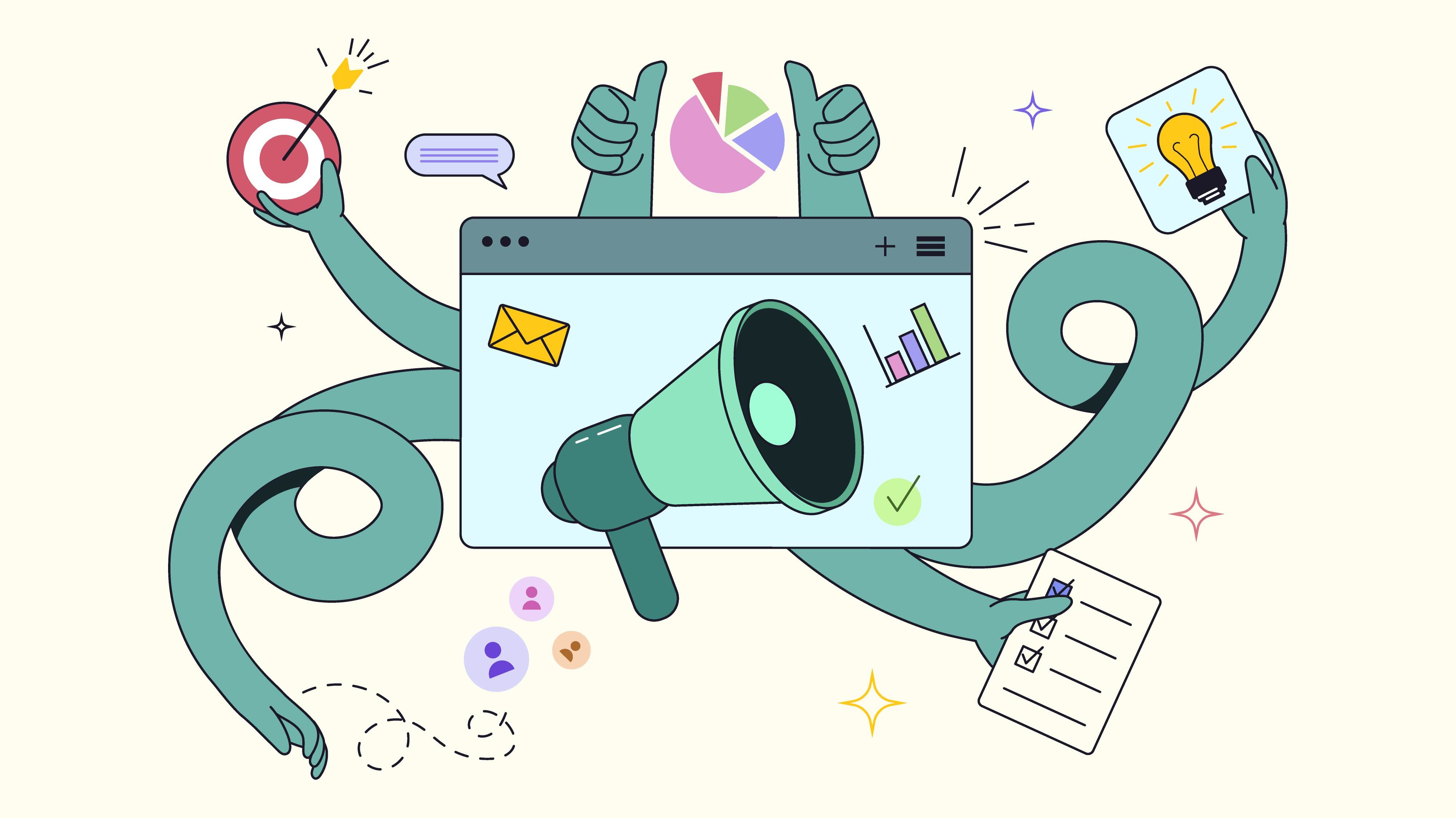
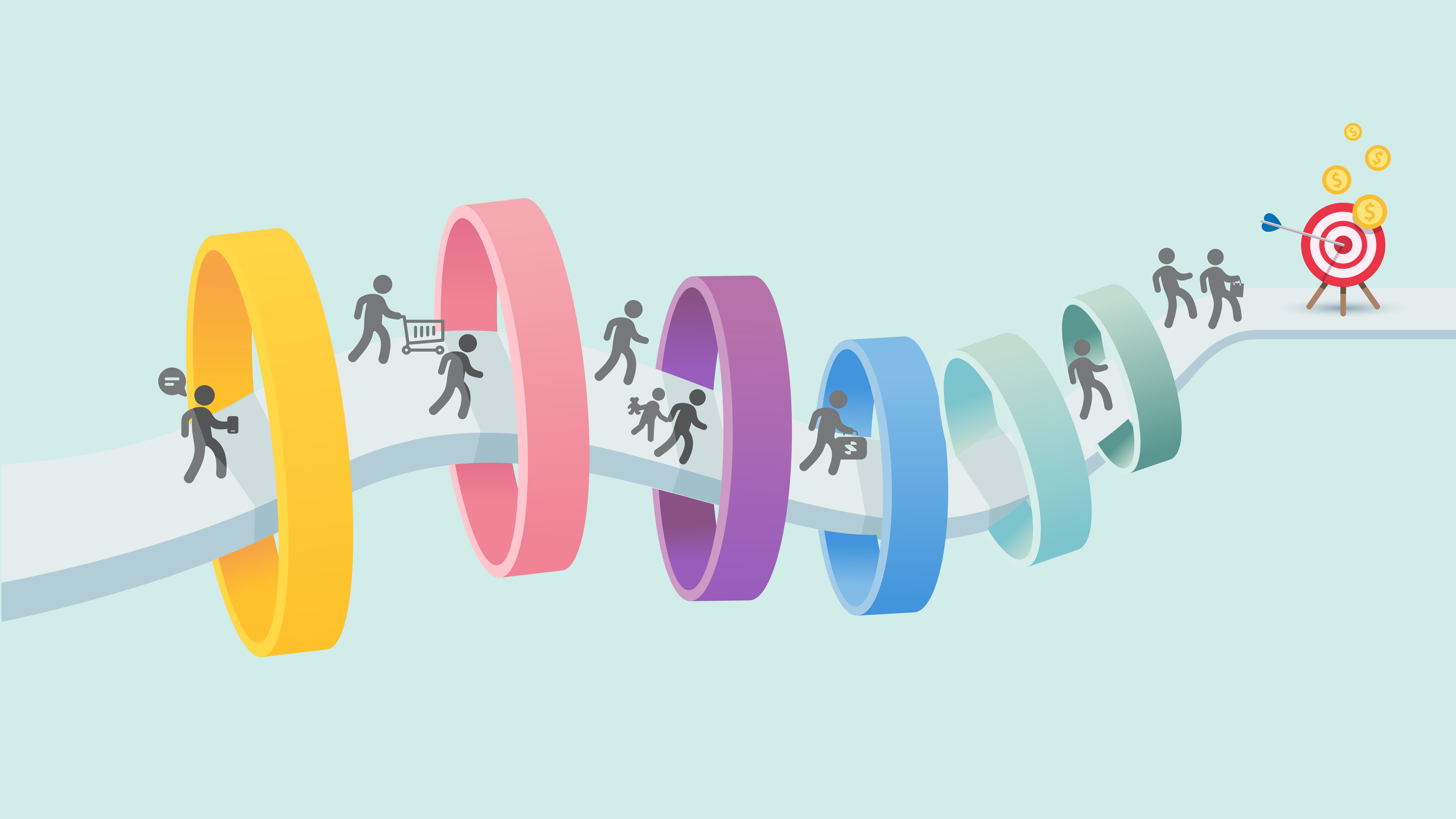
- Growth marketing is a data-driven approach that focuses on the entire customer lifecycle, from awareness and acquisition to retention and referrals.
- Unlike traditional marketing, growth marketing emphasizes continuous experimentation, personalization, and long-term customer value.
- The growth marketing process involves setting clear goals, understanding your audience, running experiments, and optimizing campaigns based on data.
- The AAARRR (Pirate) Funnel helps businesses optimize every stage of the customer journey: Awareness, Acquisition, Activation, Revenue, Retention, and Referral.
- Effective growth marketing strategies include content marketing, SEO, email marketing, referral marketing, product-led growth, social media marketing, and marketing automation.
- Tracking metrics such as CAC, CLV, conversion rate, retention rate, engagement, MRR, and ROAS helps measure marketing success and improve performance.
- Brands like Zomato and Razorpay demonstrate how personalization, content marketing, and customer-focused strategies can drive sustainable business growth.
- A CRM like Superleap helps businesses execute growth marketing more effectively by automating campaigns, tracking customer interactions, and providing actionable insights.
What is growth marketing?
Real world growth marketing examples
1. Zomato: Personalized customer engagement
Zomato leverages customer data to deliver personalized restaurant recommendations, tailored offers, and timely push notifications based on users' ordering history and location. Its loyalty program, targeted email campaigns, and engaging social media presence help improve customer retention while encouraging repeat orders and referrals.
2. Razorpay: Content led growth
Razorpay has established itself as a trusted fintech brand by investing heavily in content marketing and SEO. Through blogs, webinars, guides, case studies, and educational resources, the company helps businesses understand digital payments and financial technology. This strategy attracts high-intent visitors, builds credibility, and generates qualified leads organically.
Growth marketing vs Traditional marketing: What’s the difference?
How does growth marketing work?
Growth marketing is an ongoing process of testing, learning, and optimizing strategies to achieve sustainable business growth. Rather than relying on one-time campaigns, growth marketers continuously analyze customer behavior and refine their approach based on data. Here's how the process typically works:
1. Define growth goals
Every successful growth marketing strategy starts with clear, measurable objectives. These goals should align with your overall business priorities and provide a benchmark for success. Depending on your business, your goals may include increasing website traffic, generating more qualified leads, improving conversion rates, boosting customer retention, or growing recurring revenue. Setting specific KPIs helps teams stay focused and measure progress effectively.
2. Understand your audience
Knowing your audience is essential for creating campaigns that resonate. Growth marketers use customer research, analytics, surveys, and behavioral data to understand their target audience's needs, preferences, pain points, and buying habits. Audience segmentation allows businesses to deliver personalized messaging and experiences, leading to higher engagement and better conversion rates.
3. Run experiments
Experimentation is at the heart of growth marketing. Instead of relying on assumptions, growth marketers test different ideas to discover what works best. This may involve A/B testing email subject lines, trying different ad creatives, optimizing landing pages, experimenting with pricing strategies, or refining calls to action. Each experiment provides valuable insights that help improve future campaigns
4. Measure results
Once experiments are complete, the next step is to analyze the results and identify what delivered the best outcomes. Growth marketers track metrics such as customer acquisition cost (CAC), conversion rate, customer lifetime value (CLV), retention rate, and return on investment (ROI) to evaluate campaign performance. Successful strategies are scaled, while underperforming ones are refined or replaced. This continuous cycle of measuring, learning, and optimizing enables businesses to achieve long-term, sustainable growth.
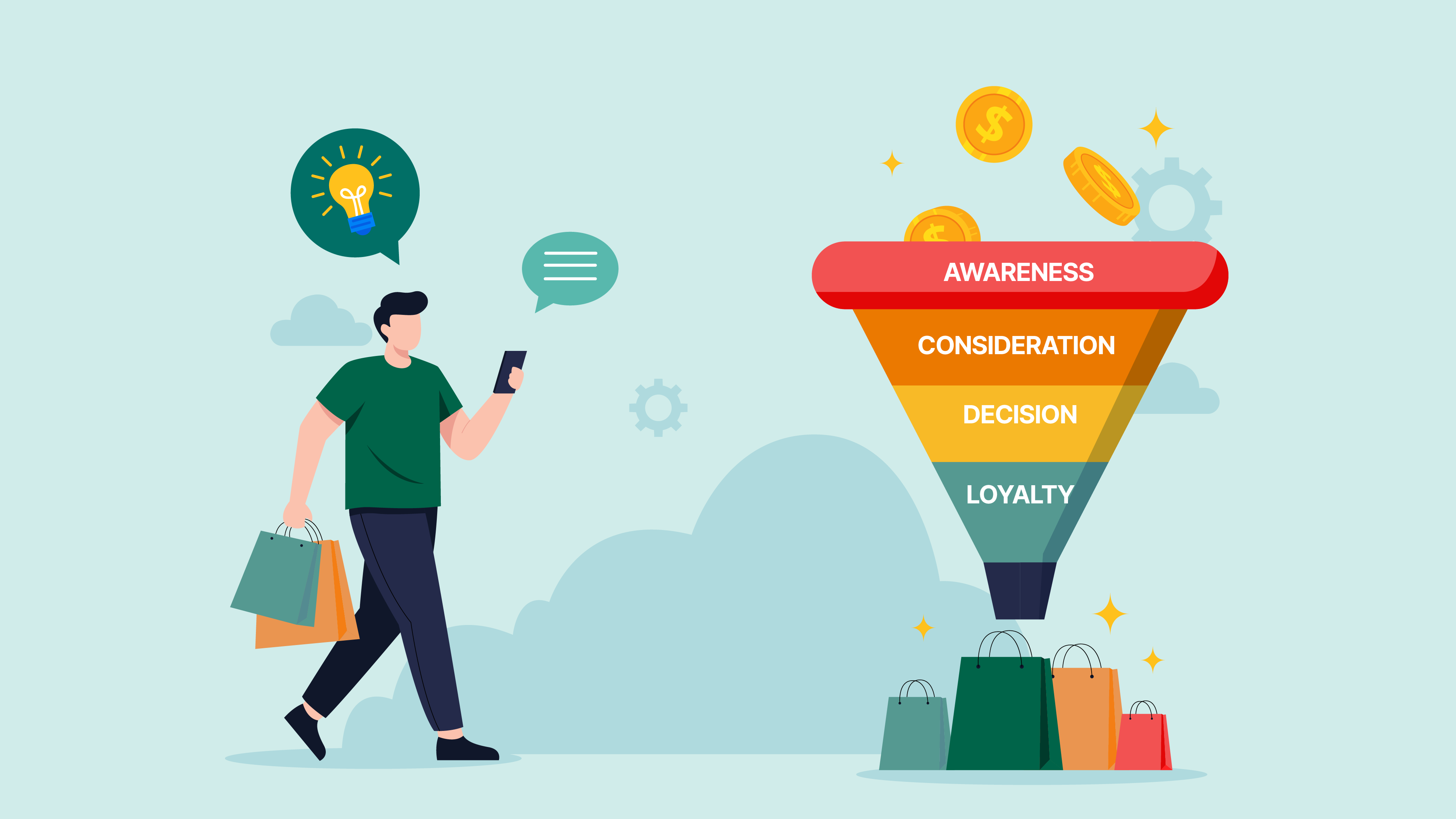
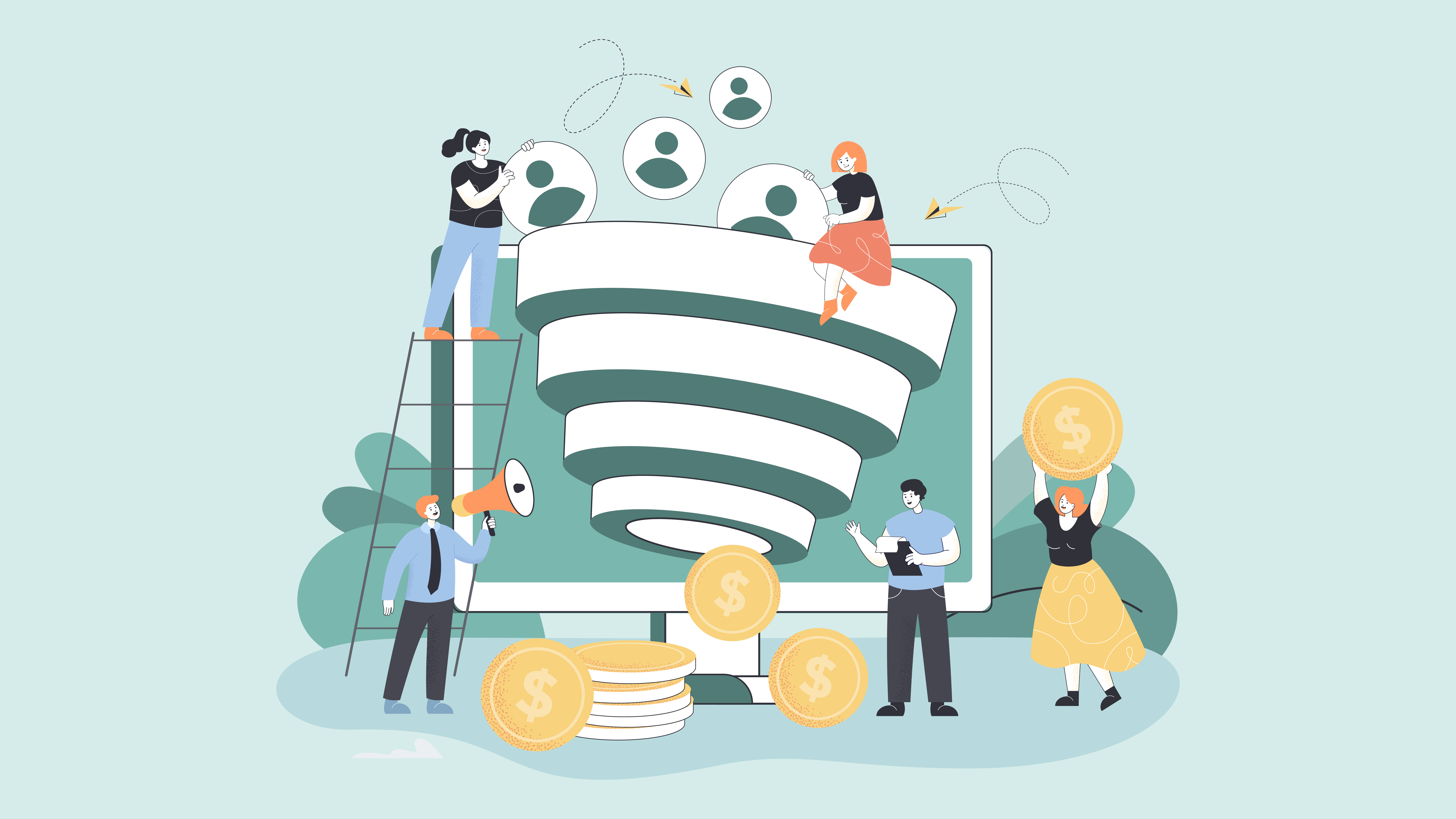
The growth marketing funnel (AAARRR framework)
1. Awareness
Awareness is the stage where potential customers discover your brand. The goal is to increase visibility and attract relevant audiences through channels such as SEO, content marketing, social media, paid advertising, influencer partnerships, and public relations. A strong awareness strategy ensures your brand reaches the right people at the right time.
2. Acquisition
Acquisition focuses on turning visitors into leads or users. Once prospects are aware of your brand, you need to encourage them to take action, such as signing up for a newsletter, downloading a resource, requesting a demo, or creating an account. Effective landing pages, lead magnets, and targeted campaigns play a key role in improving acquisition rates.
3. Activation
Activation happens when users experience the value of your product or service for the first time. This is often considered the "aha moment" where users realize how your offering solves their problem. A smooth onboarding process, personalized guidance, product tours, and quick wins can help increase activation and reduce drop-offs.
4. Revenue
The revenue stage is where the users become paying customers. Growth marketers focus on optimizing conversions, improving pricing strategies, reducing friction in the buying process, and identifying upselling or cross-selling opportunities. The objective is to maximize the value generated from each customer.
5. Retention
Acquiring customers is only half the battle won, retaining them is what drives sustainable growth. Retention strategies focus on keeping customers engaged and satisfied through personalized communication, exceptional customer support, loyalty programs, regular product updates, and proactive engagement. High retention rates often lead to increased customer lifetime value.
6. Referral
Referral is the stage where satisfied customers promote your brand within their circle. Word-of-mouth marketing is one of the most powerful growth drivers because recommendations from existing customers build trust and credibility. Referral programs, customer advocacy initiatives, user-generated content, and positive reviews can encourage customers to bring in new users, creating a self-sustaining growth loop.
Key growth marketing strategies
Growth marketing combines multiple strategies to attract, engage, convert, and retain customers throughout the entire customer lifecycle. Rather than relying on a single channel, businesses use a mix of tactics to create sustainable, long-term growth. Here are some of the most effective growth marketing strategies.
1. Content marketing
Content marketing focuses on creating valuable, informative, and engaging content that attracts and educates your target audience. Blogs, ebooks, case studies, videos, webinars, and guides help businesses build trust, establish authority, and generate qualified leads. High-quality content also supports SEO efforts and nurtures prospects through every stage of the buyer's journey
2. Search engine optimization
Search engine optimization (SEO) helps businesses improve their visibility on search engines like Google. By optimizing website content, targeting relevant keywords, improving site performance, and earning quality backlinks, businesses can attract organic traffic from users actively searching for their products or services. Since organic traffic compounds over time, SEO is one of the most cost-effective long-term growth strategies.
3. Email marketing
Email marketing enables businesses to build and maintain relationships with leads and customers through personalized communication. From welcome emails and product updates to promotional campaigns and abandoned cart reminders, email marketing helps nurture leads, increase engagement, encourage repeat purchases, and improve customer retention. Automation and audience segmentation make email campaigns even more effective.
4. Referral marketing
Referral marketing encourages existing customers to recommend your products or services to others. Businesses often incentivize referrals with discounts, rewards, cashback, or exclusive benefits. Since people are more likely to trust recommendations from friends, family, or colleagues, referral marketing can generate high-quality leads while reducing customer acquisition costs.
5. Product led growth
Product led growth is a strategy where the product itself becomes the primary driver of customer acquisition, conversion, and expansion. Instead of relying heavily on sales teams, businesses offer free trials, freemium plans, or self-service experiences that allow users to experience the product's value before making a purchase. A seamless onboarding process and intuitive user experience are key to the success of this approach.
6. Social media marketing
Social media marketing helps businesses connect with their audience, build brand awareness, and foster customer engagement across platforms like LinkedIn, Instagram, Facebook, and X. By sharing valuable content, interacting with followers, running targeted advertising campaigns, and collaborating with creators or influencers, businesses can attract new audiences and strengthen customer relationships.
7. Marketing automation
Marketing automation uses software to streamline repetitive marketing tasks such as lead nurturing, email campaigns, customer segmentation, lead scoring, and follow-up communications. Automation ensures that customers receive relevant messages at the right time while reducing manual effort. It also helps businesses deliver personalized experiences at scale, improve efficiency, and generate better marketing results.
Key growth marketing metrics to track
1. Acquisition metrics
Acquisition metrics measure how effectively your marketing efforts attract new visitors, leads, and customers. They help evaluate the performance of different marketing channels and identify the most cost-efficient ways to grow your customer base.
Key acquisition metrics include:
- Website traffic: The number of visitors coming to your website.
- Customer Acquisition Cost (CAC): The average cost of acquiring a new customer.
- Cost Per Lead (CPL): The cost of generating a qualified lead.
- Click-Through Rate (CTR): The percentage of users who click on your ads, emails, or links.
- Lead generation rate: The number of leads generated within a specific period.
2. Retention metrics
Retention metrics measure how well your business keeps customers engaged and encourages them to continue using your product or service.
Key retention metrics include:
- Customer retention rate(CRR): The percentage of customers who continue doing business with you over time.
- Churn Rate: The percentage of customers who stop using your product or service.
- Repeat Purchase Rate: The percentage of customers who make multiple purchases.
- Customer Lifetime Value (CLV): The total revenue a customer is expected to generate throughout their relationship with your business.
3. Engagement metrics
Engagement metrics indicate how actively users interact with your brand, content, or product. High engagement often reflects strong customer interest and increases the likelihood of conversions and retention.
Key engagement metrics include:
- Average session duration: The average time users spend on your website or app.
- Pages per session: The average number of pages viewed during a visit.
- Bounce rate: The percentage of visitors who leave after viewing only one page.
- Email open rate and click rate: Measures how users engage with email campaigns.
- Feature adoption rate: The percentage of users actively using key product features.
4. Conversion metrics
Conversion metrics measure how effectively your marketing efforts persuade users to complete a desired action, whether that's signing up, booking a demo, or making a purchase.
Key conversion metrics include:
- Conversion rate: The percentage of visitors who complete a desired action.
- Lead-to-customer conversion rate: The percentage of leads that become paying customers.
- Landing page conversion rate: Measures how well individual landing pages convert visitors.
- Free trial-to-paid conversion rate: The percentage of trial users who upgrade to a paid plan.
- Cart abandonment rate: The percentage of shoppers who leave without completing a purchase.
5. Revenue metrics
Revenue metrics help businesses evaluate the financial impact of their growth marketing efforts. These metrics reveal whether marketing investments are driving profitable and sustainable business growth.
- Monthly recurring revenue(MRR): Predictable monthly income generated from subscriptions.
- Annual Recurring Revenue (ARR): The annualized value of recurring subscription revenue.
- Average Revenue Per User (ARPU): The average revenue generated from each customer.
- Return on Ad Spend (ROAS): The revenue earned for every rupee spent on advertising.
- Marketing Return on Investment (Marketing ROI): Measures the profitability of your marketing campaigns.
Conclusion
Growth marketing goes beyond acquiring new customers; it focuses on building lasting relationships that drive sustainable business growth. By combining data-driven decision-making, continuous experimentation, personalized customer experiences, and the right marketing strategies, businesses can optimize every stage of the customer journey, from awareness to advocacy.
Whether you're a startup looking to scale or an established business aiming to improve customer retention and revenue, adopting a growth marketing mindset can help you make smarter marketing decisions and achieve measurable results. Pairing these strategies with a powerful CRM like Superleap allows you to automate campaigns, track customer interactions, and gain actionable insights, making it easier to turn growth opportunities into long-term success.










.jpg)

.jpg)

























%201%20(1).svg)
.svg)
.svg)
.svg)
.svg)