
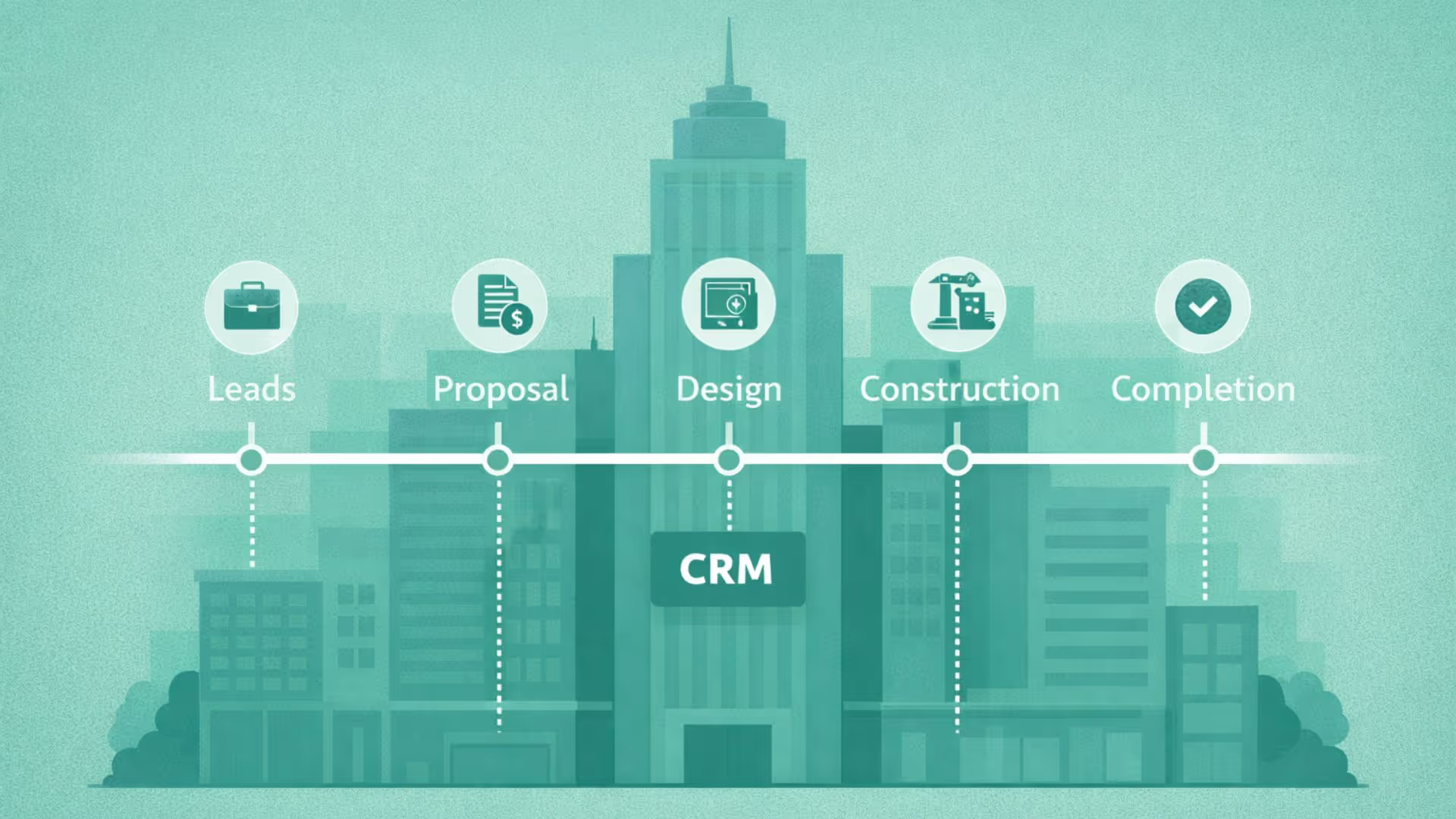


We know that a generic CRM handles basic relationship management. This blog delves into a specific niche, a CRM for architects, which is purpose-built to support the unique workflows of architecture firms - from project intake to billing and long project lifecycles.
You will learn about its features, benefits and use cases.
CRM for architects
Unlike generic CRMs, architect CRMs are tailored for proposal tracking, RFPs, project phases, site coordination, and billable time - all of which are core to architecture practices.
Importance of CRM for architects
Architecture firms deal with long sales cycles, extensive documentation, multiple stakeholders, and complex billing structures. Managing this through spreadsheets, emails, and folders leads to missed follow-ups and revenue leakage.
An architect CRM helps firms:
- Maintain consistent client communication
- Track every opportunity and proposal
- Document project phases clearly
- Extended working hours are billed accurately
- Unify scattered project files, emails, and notes
Architect CRM solutions to consider
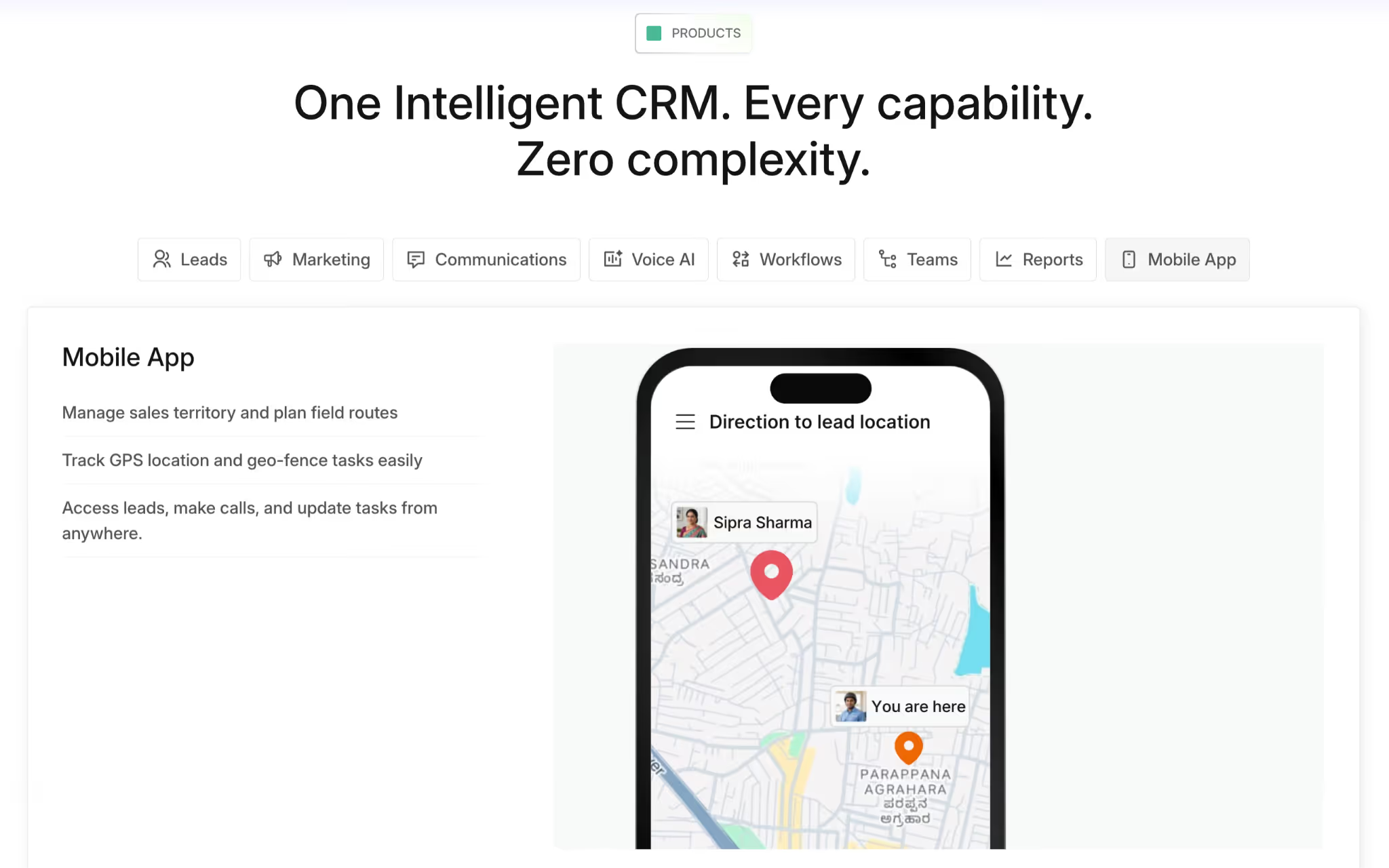
Superleap: AI CRM that will take care of client intake & opportunity vetting, project and client lifecycle management, centralized client communications log, voice intelligence to detect client satisfaction, one-view dashboard showing important metrics and a mobile app that supports site documentation and GPS-based time tracking for accurate billing.
Other options to consider include Capsule CRM, Deltek, and Engagebay.
Features & benefits of an architect CRM
Project tracking: Architectural projects move through phases like designing, drawing, supervising, and construction and a CRM lets you track what stage each project is at. This prevents overlooking tasks.
Integrated communications: Project updates are shared to clients via email, call, chats and video messages.
Benefit: This creates accountability, reduces disputes and helps understand client expectations over time.
Opportunity tracking: Tracks all those potential projects, making sure you hit every proposal deadline, submit all the required documents, and follow up with the client at the right time. This reduces lead leakage.
Reporting & analytics: A CRM dashboard displays important metrics like profit margin, employee net revenue, utilization rate, and project performance. This enables data-driven decisions instead of gut-based project planning.
Mobile access: A mobile CRM will allow you to update project status and take notes instantly from a construction site or client meeting using your phone or tablet.
Integrated proposal builder: Instead of creating new proposals each time, your CRM will pull information like pricing, fees, and project details and apply it to pre-built templates to instantly generate a high-quality proposal.
Bid/RFP tracking: CRM for architecture firms manage the intake and response to Requests for Proposals (RFPs) and bids, tracking deadlines, required documents, and follow-up history to increase the win rate.
Who should use an architect CRM?
- Architecture firms handling multiple concurrent projects
- Studios responding to frequent RFPs and bids
- Firms with long project timelines and phased billing
- Teams needing site-level documentation and accountability
Interior designers require a CRM for the same reason architects do but with a sharper focus on client taste, material management, product tracking, installation coordination, markup management, and invoice & payment history.
How to choose the best CRM for architects
Ask these questions before finalize a system for your firm:
- Does it support phased billing? (Crucial for architectural fee structures).
- Is the mobile app robust? (Essential for site inspections).
- Can it handle large file attachments? (Architects deal with high-res renders and PDFs).
- Does it offer "Voice-to-Text" notes? (Perfect for architects walking through a construction site).
Conclusion
For architecture firms, CRM is about project visibility, accurate billing, and long-term client relationships. It is meant to help businesses work smarter, bill accurately, and scale without operational chaos.




.avif)
%201%20(1).svg)
.svg)
.svg)
.svg)
.svg)