



No matter who you are, there are times when you’ve stopped using a product. This could be because you found a better price elsewhere or simply because you got bored.
When a number of people stop using a company’s product or service, that’s when churn occurs. A business that regularly tracks churn rate can reduce churn and take necessary steps to address any issues and ensure customer satisfaction.
Another type of churn is when an employee leaves an organization either voluntarily or involuntarily. An employee may leave because they found better pay elsewhere, or they may be laid off if a company is facing economic difficulties.
Businesses can track both kinds of churn rate and work towards growth and development.
Let’s understand the concept of churn rate in detail.
What is churn rate?
Churn rate in SaaS businesses
In SaaS businesses, churn rate measures the percentage of customers or recurring revenue lost over a specific period of time. Because SaaS operates on subscriptions, churn directly affects revenue growth and customer lifetime value.
SaaS companies typically track customer churn and revenue churn with many focusing on net revenue churn to understand the actual financial impact. Reducing churn through better onboarding, product adoption and customer success is critical for sustainable SaaS growth.
Customer churn rate
What does customer churn rate mean?
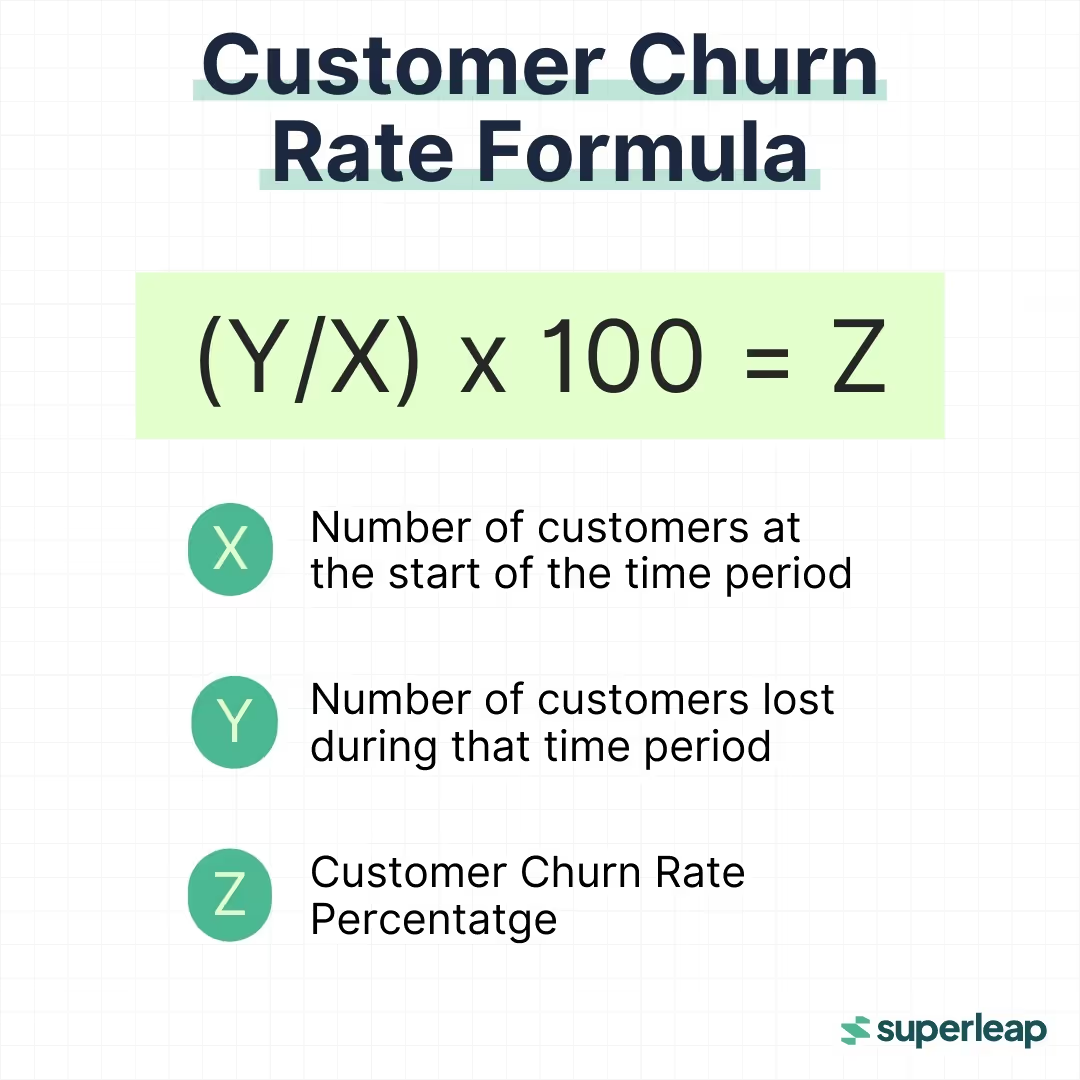
Customer churn rate refers to the percentage of employees who stop using the products or services of a business during a specific timespan.
A high churn rate indicates that a business is losing customers quickly, while a low churn rate signifies customer loyalty and retention.
Instances of customer churn:
- A customer cancels their Netflix subscription after a price hike
- A business stops using their existing CRM and switches to Superleap CRM
Customer churn rate formula
Why is it crucial to track customer churn rate?
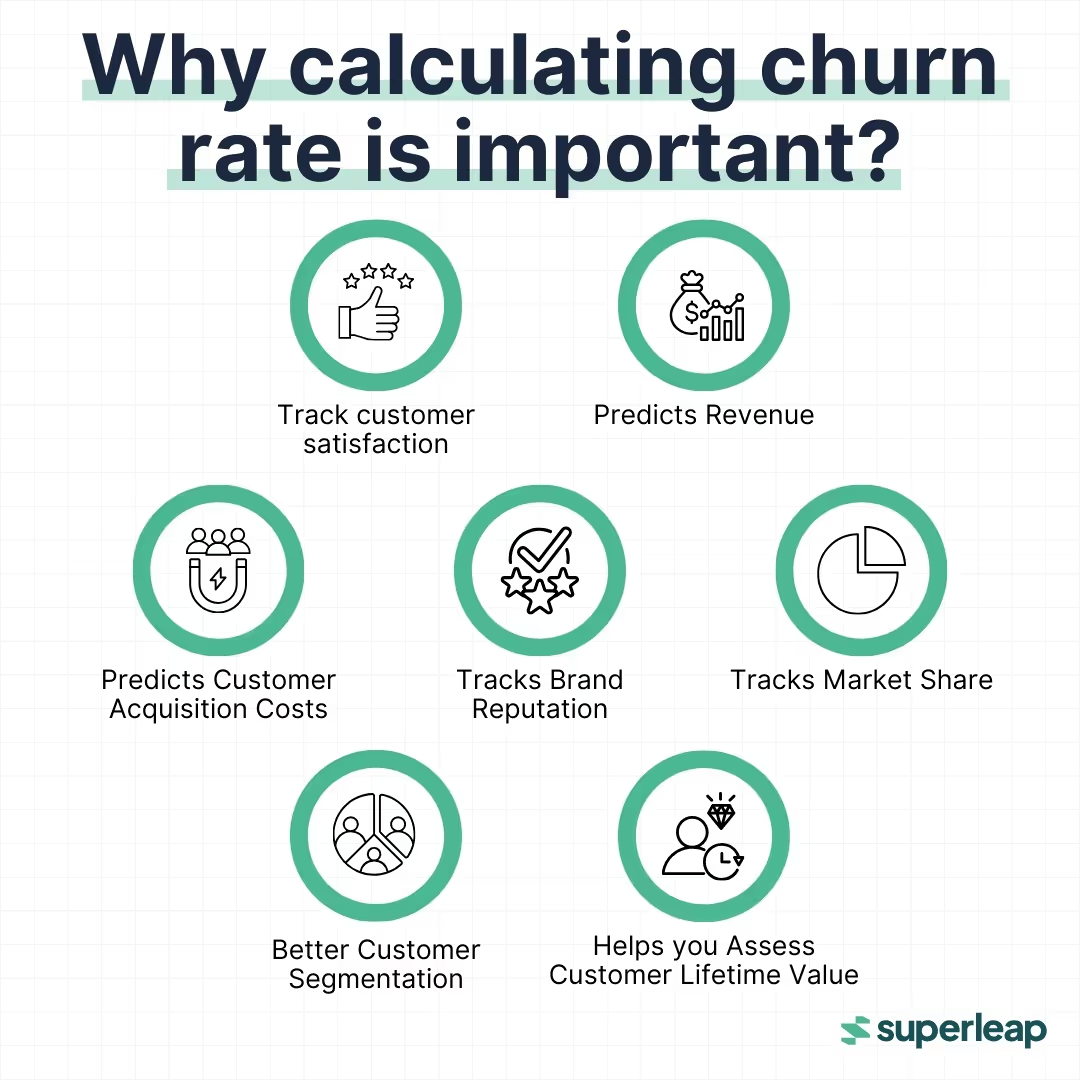
- Better customer retention: A rising churn rate in a business signifies that customers are dissatisfied. However, consistently tracking churn and resolving customers’ issues as soon as they come up will ensure customer satisfaction and lead to enhanced customer retention.
- Reduced costs: It's no secret that it's more expensive to acquire new customers than retain existing ones. So, by tracking customer churn rate and ensuring that your existing customers are happy, you also avoid extra expenses — something crucial when you're focused on how to increase sales.
- Business growth: If a business has a high churn rate, it implies that the business is losing customers fast. Tracking the churn rate and addressing issues and resolving them will retain customers and lead to business growth.
- Customer loyalty: A business that has a low churn rate is one that is capable of keeping their customers satisfied. Happy customers return and also give positive referrals, which plays a key role in strengthening your sales funnel.
{{callout-1}}
How to reduce customer churn rate?
Well, why don't you read this blog on customer churn and find out?
Customer churn vs Revenue churn
Employee churn rate
What does employee churn rate mean?
Employee churn rate refers to the percentage of employees who leave an organisation during a specific period of time, either voluntarily or involuntarily.
A high churn rate may signify issues like low employee satisfaction, inadequate compensation, etc. On the other hand, a low churn rate usually indicates strong retention and workforce stability.
Instances of employee churn:
- A software engineer leaves Google for a higher paying job at a startup
- A McDonald’s worker resigns for a better paying job
Employee churn rate formula

Why is it crucial to track employee churn rate?
- Informed decision making: Understanding employee churn allows businesses to make informed decisions about staffing needs, talent pipelines, etc.
- Employee engagement: Keeping track of employee turnover allows businesses to assess employee engagement and take necessary steps to enhance job satisfaction.
- Loss in productivity: Losing employees will lead to an obvious loss in productivity as it impacts ongoing projects and overall quality of work.
- Workplace morale: If employees are frequently leaving a company, it leads to increased burden and workload for others, which in turn can lead to job dissatisfaction. Tracking churn helps address these issues.
How to reduce employee churn rate?
- Improve onboarding and training
- Offer compensation and perks
- Promote a positive work culture
- Recognise and appreciate the efforts of your employees
- Provide career growth opportunities and mentorship programs
- Promote work-life balance by offering flexible work hours/opportunity to work from home
- Regularly address feedback from employees whether it's through surveys or one-on-one sessions
- Promote team building activities
Customer churn rate vs employee churn rate
“In SaaS, but especially in times like these, existing customers are your life blood. The more that you can retain existing customers, the more predictable your revenue stream will be in the future.”
– Kristina Shen and Kimberly Tan





%201%20(1).svg)
.svg)
.svg)
.svg)
.svg)