
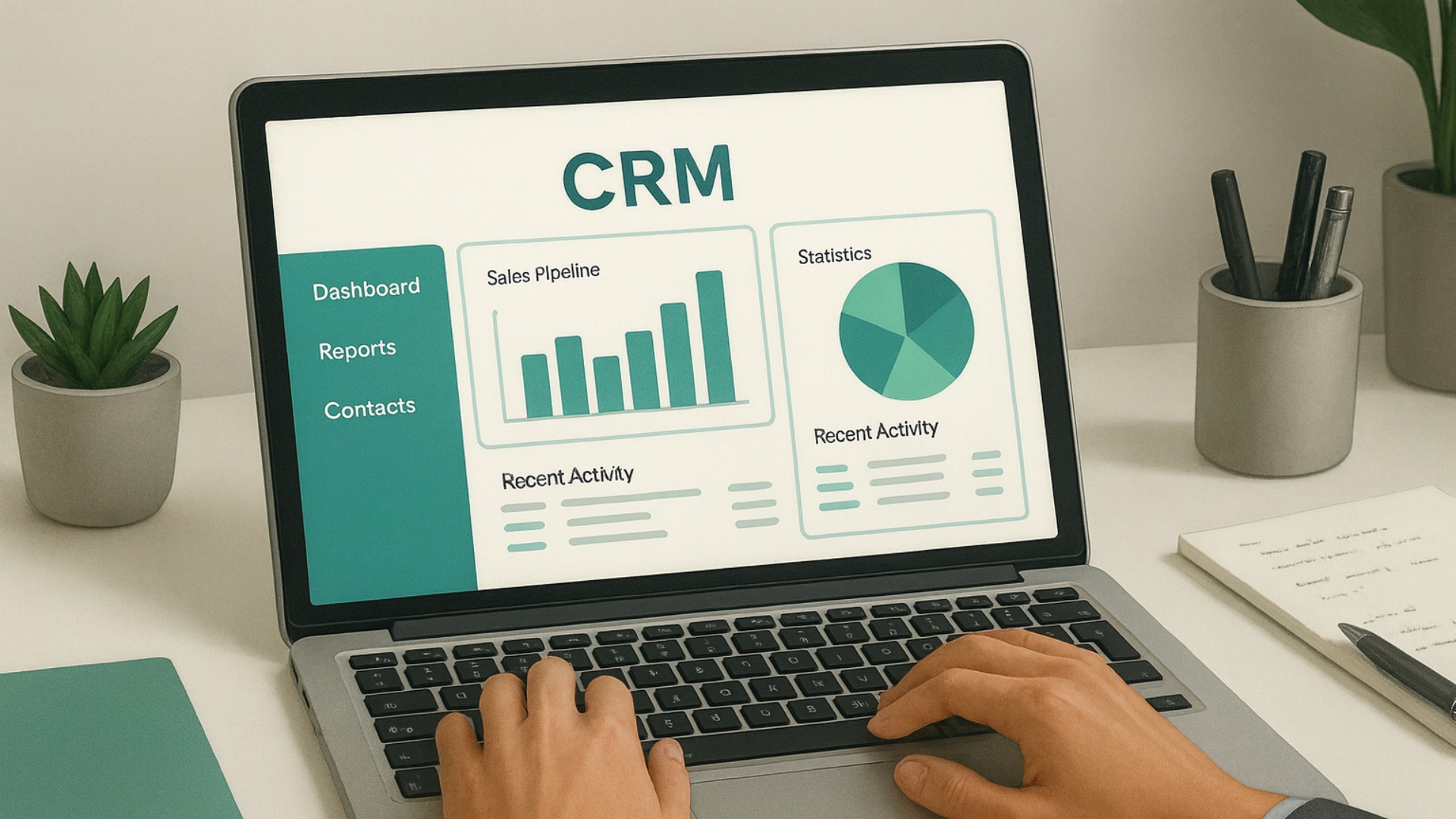


A CRM strategy is a roadmap for managing customer relationships effectively. It helps businesses use data, technology, and teamwork to enhance customer experience and drive growth.
This guide explains why CRM strategy matters, what it includes, and how to create one for long-term success.
What is a CRM strategy?
A CRM strategy is a company-wide plan for how a business will use customer data, processes, people, and CRM technology to manage relationships with prospects and customers. It defines how teams collect and use customer information, manage interactions, move leads through the sales process, support customers, and measure relationship performance.
A CRM strategy goes beyond choosing CRM software. The software provides the technology for storing data and managing workflows, while the strategy determines what the business wants to achieve, what processes teams will follow, what data they need, who is responsible for each activity, and how success will be measured.
For example, a company may create a CRM strategy to increase lead-to-customer conversion, improve follow-up times, reduce customer churn, and give sales, marketing, and customer service teams a shared view of each customer.
Why is CRM strategy important?
1. Aligns Sales, Marketing, and Customer Service
A CRM strategy gives different teams a shared approach to managing customer information and interactions. This reduces information silos and helps teams coordinate activities throughout the customer lifecycle.
2. Improves Customer Experience
A clear strategy helps businesses understand customer needs, preferences, and interactions so they can provide more relevant and consistent experiences.
3. Improves Sales Performance
CRM strategies can standardize lead management, follow-ups, pipeline management, and sales processes, helping sales teams work more efficiently.
4. Supports Customer Retention
By tracking customer activity and engagement, businesses can identify opportunities to provide support, address problems, and strengthen long-term relationships.
5. Improves Data-Driven Decision-Making
A CRM strategy establishes what information should be collected and which metrics should be monitored, making customer data more useful for business decisions.
6. Increases CRM Adoption
When employees understand why the CRM is being used and how it supports their work, they are more likely to use it consistently.
7. Components of a CRM strategy
A CRM strategy includes several key components that help businesses deliver better customer experiences.
8. Customer segmentation
Dividing customers into groups based on behavior, demographics or value to deliver more targeted communication and offers.
9. Data management
Collecting, organizing, and analyzing customer data to gain insights and make informed decisions.
10. Customer journey mapping
Visualising every stage of the customer experience to identify pain points and improve interactions.
11. Personalisation
Using customer data to tailor messages, recommendations, and experiences for each individual.
12. Technology integration
Connecting CRM with other business tools to ensure seamless data flow and team collaboration.
13. KPIs
Tracking key metrics like retention, conversion and lifetime value to measure CRM effectiveness.
14. Team alignment
Ensuring sales, marketing and service teams work together towards common goals.
Types of CRM strategies
Customer Retention Strategy: Focuses on loyalty and repeat business.
Acquisition Strategy: Focuses on nurturing and converting new leads.
Operational Strategy: Improves workflow efficiency and data use across teams.
Analytical Strategy: Leverages CRM data for trend analysis and forecasting.
Steps to build a CRM strategy
Building a CRM strategy involves defining goals, setting up processes, and aligning teams for customer success.
1. Define your goals
Start by setting clear goals such as improving retention, boosting sales, or enhancing customer satisfaction to guide your CRM efforts.
2. Understand your customers
Gather and analyse customer data to understand their needs, preferences, and behavior. This insight forms the foundation of an effective CRM strategy.
3. Choose the right CRM
Select a CRM that aligns with your business size, objectives, and processes.
4. Map customer journey
Identify key touchpoints from awareness to post-purchase to ensure consistent and meaningful interactions at every stage.
5. Set up workflows and automation
Automate repetitive tasks like lead follow ups and email campaigns to improve efficiency and ensure timely communication.
6. Train your team
Ensure that all users understand how to use the CRM effectively. Proper training boosts adoption and maximizes system value.
7. Measure and optimise
Track performance using KPIs, analyze results, and continuously refine your CRM strategy for better outcomes.
Conclusion
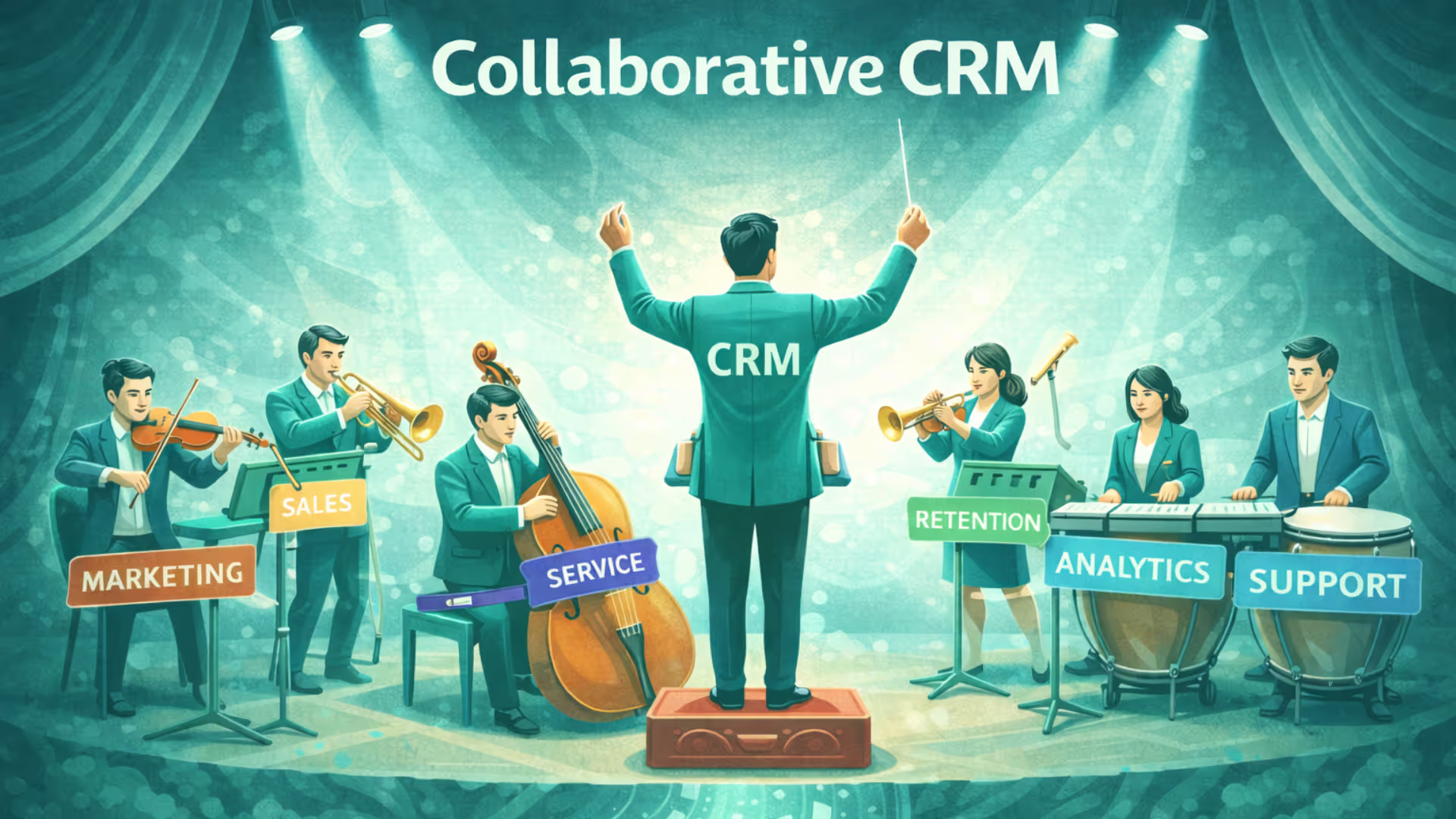
A CRM strategy helps businesses stay customer-focused and data-driven. From defining goals to automating workflows, every step strengthens relationships and drives growth. Superleap CRM makes this process seamless by integrating automation, analytics, and collaboration in one platform.



.avif)
%201%20(1).svg)
.svg)
.svg)
.svg)
.svg)