


TL;DR
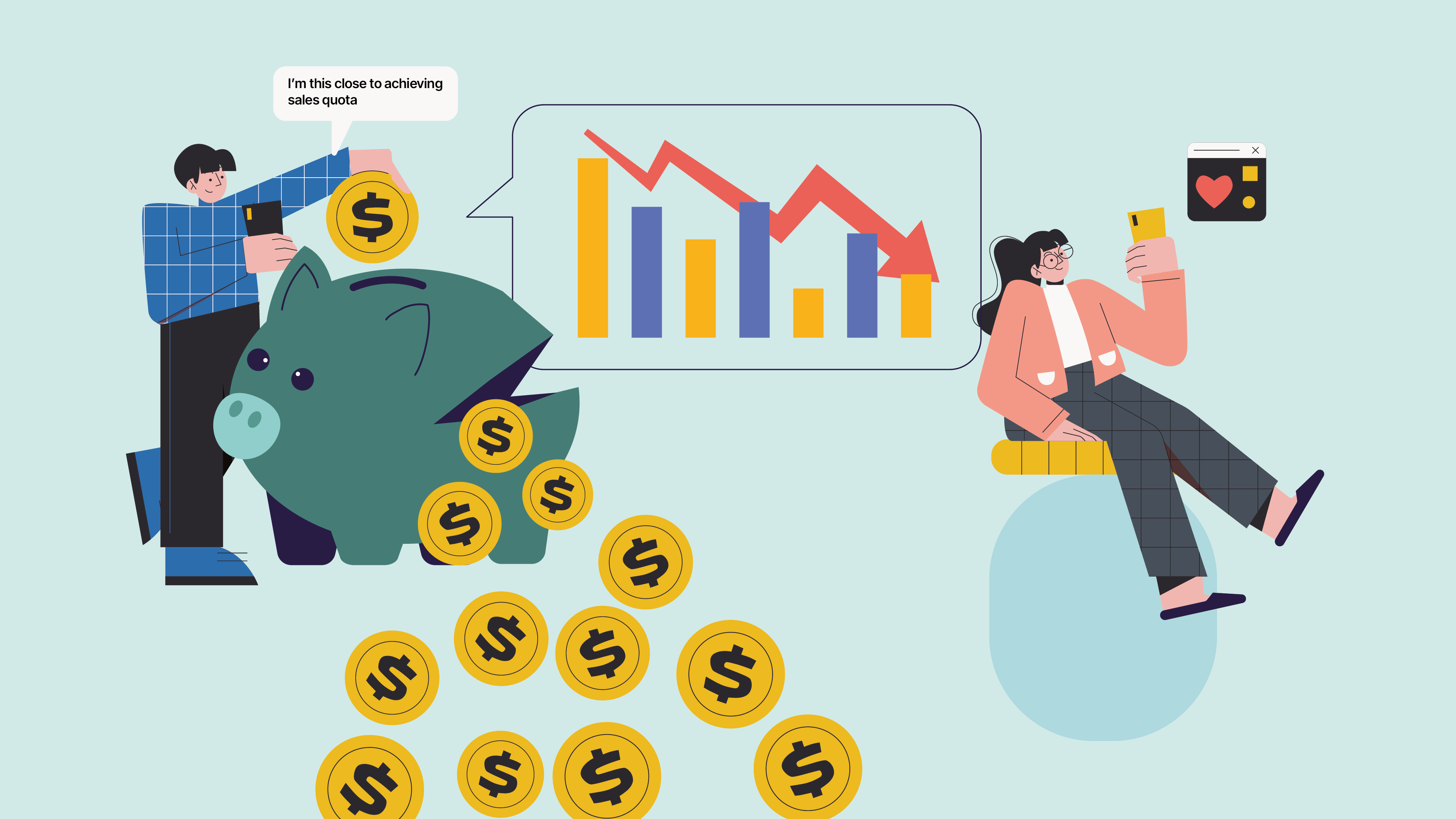
- Revenue leakage is the hidden loss of revenue caused by gaps in the sales process, pricing, billing, data management, and customer retention. It often goes unnoticed but can significantly impact growth and profitability.
- Common causes include missed follow-ups, uncontrolled discounting, billing errors, poor CRM data, and weak post-sales engagement. Warning signs include gaps between forecasted and actual revenue, high churn, inconsistent deal sizes, and low conversion rates.
- To prevent revenue leakage, businesses should standardize sales processes, enforce approval workflows, maintain clean data, automate key workflows, and align sales, finance, and customer success teams.
- A CRM plays a critical role by centralizing data, improving pipeline visibility, automating tasks, enforcing pricing controls, and enabling accurate forecasting.
- Tracking the right metrics such as revenue vs forecast variance, discount trends, sales cycle length, churn rate helps identify and fix leakage early.
- Revenue leakage isn’t just a sales problem; it’s a system problem. With the right processes and CRM in place, businesses can recover lost revenue and improve overall efficiency.
What is revenue leakage?
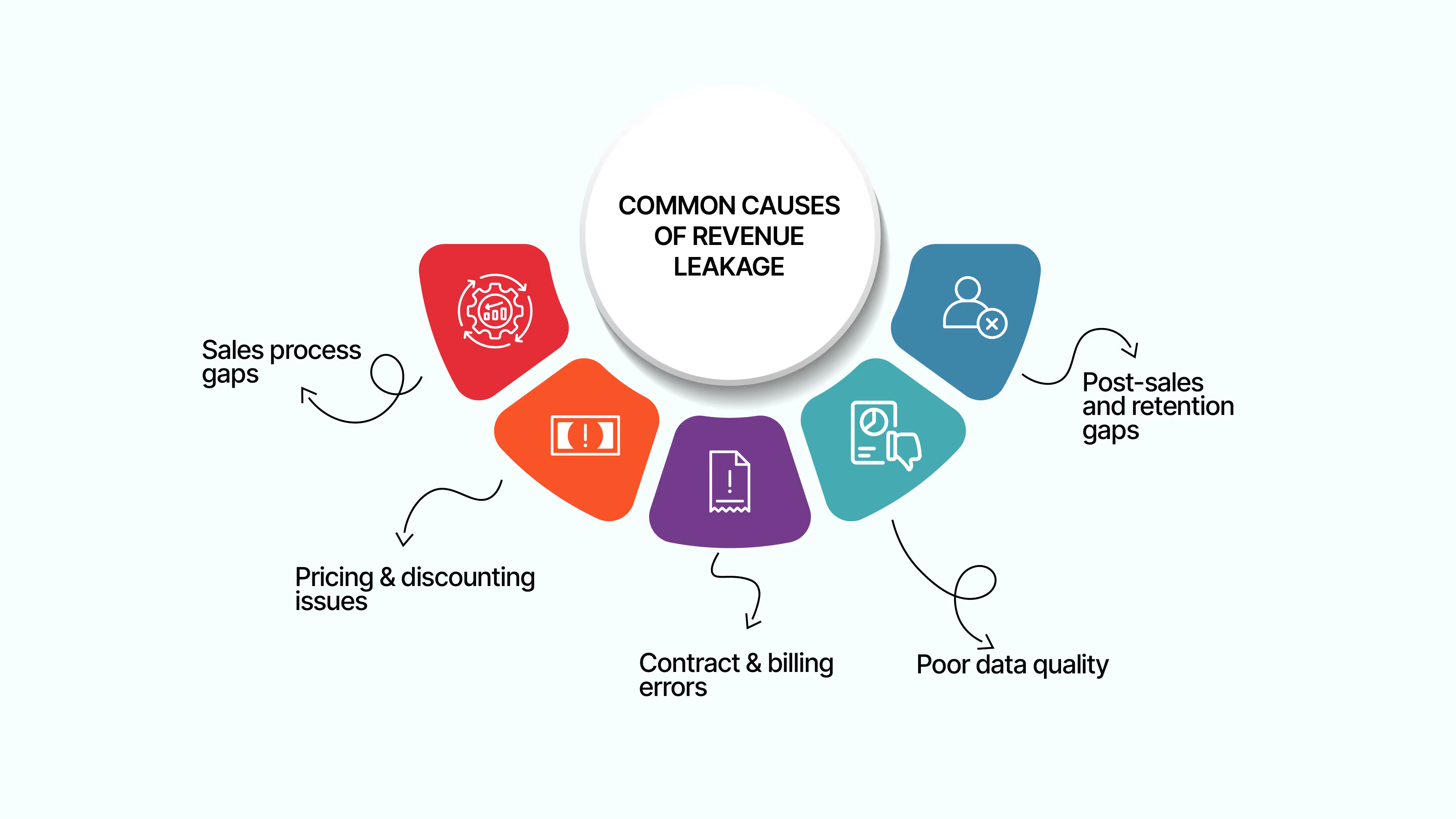
5 Common causes of revenue leakage
1. Sales process gaps
Revenue leakage starts the moment a lead enters your pipeline with no clear owner. In most Indian SMBs, this happens dozens of times a day: a WhatsApp enquiry from a prospect in Surat gets forwarded to three people, nobody follows up within 24 hours, and the prospect buys from a competitor. That is a sales process gap and it is the first place revenue bleeds out. Additionally, many Indian sales teams still track their pipeline in a shared Google Sheet last updated before Diwali, making the problem compound.
2. Pricing and discounting issues
In India, discount pressure is real; buyers will cite a competitor's quote, invoke last-quarter budget constraints, or simply say "sir, thoda kam karo". The problem isn't the buyer asking; it's the rep saying yes without a formal approval record. When a field sales rep at a Pune-based pharma distributor drops price by 18% on a ₹5 lakh order to close before month-end, and no system flags or logs it, that ₹90,000 margin erosion repeats across 40 reps every quarter. Multiplied by four quarters, it becomes ₹1.44 crore of invisible margin loss and it doesn’t show up as a lost deal in any report. Uncontrolled discounting is India's most common and least-tracked revenue leakage problem.
3. Contract and billing errors
Even after a deal is closed, revenue can leak through operational inefficiencies.
Manual contract management often leads to missed clauses, incorrect pricing terms, or untracked renewals. Billing errors such as incorrect invoices, delayed billing cycles, or failure to bill for additional usage can result in direct revenue loss. Subscription-based businesses are particularly vulnerable if renewals and upgrades aren’t systematically tracked.
4. Data & CRM issues
Your CRM is only as effective as the data inside it. Poor data quality is a silent but significant source of revenue leakage.
Incomplete, outdated, or duplicated records create confusion and misalignment across teams. Sales reps may miss follow-ups, marketing campaigns may target the wrong audience, and forecasts become unreliable. Additionally, lack of integration between CRM and other tools (like billing or communication platforms) leads to fragmented workflows and missed revenue opportunities.
5. Post-sales and retention gaps
Revenue leakage doesn’t stop after the deal is won; it often accelerates in the post-sales phase.
Poor onboarding experiences can reduce product adoption, increasing the risk of churn. Lack of proactive engagement means missed upsell and cross-sell opportunities. If customer success teams don’t have visibility into account health or renewal timelines, businesses risk losing existing customers.
Revenue leakage calculator
5 Warning signs that your business has a revenue leakage problem
- Revenue doesn’t match pipeline projections
- High churn despite strong acquisition
- Frequent billing disputes
- Inconsistent deal sizes
- Low conversion rates at specific funnel stages
How to prevent revenue leakage?
1. Standardize sales processes
A lack of consistency in how deals are handled is one of the biggest drivers of revenue leakage.
Defining clear sales stages, follow-up timelines, and ownership rules ensures that no opportunity is left unattended. When every rep follows the same structured process from lead qualification to deal closure, it becomes easier to track progress, identify bottlenecks, and prevent deals from slipping through the cracks. Standardization also improves forecasting accuracy and team accountability
2. Implement approval workflows
Uncontrolled decision-making, especially around pricing and discounts, can quietly erode revenue.
By introducing approval workflows for discounts, special pricing, and contract exceptions, businesses can maintain pricing discipline without slowing down deals. These workflows ensure that any deviation from standard pricing is justified, reviewed, and aligned with business goals, protecting margins while still enabling flexibility when needed.
3. Improve data hygiene
Poor data quality leads to missed opportunities, miscommunication, and unreliable reporting.
Ensuring clean, complete, and up-to-date data in your CRM is critical. This includes setting mandatory fields, regularly auditing records, and removing duplicates. High-quality data enables better segmentation, accurate forecasting, and timely follow-ups, reducing the chances of revenue leakage.
4. Automate wherever possible
Manual processes are prone to delays, errors, and inconsistencies, all of which contribute to revenue leakage.
Automation helps eliminate these risks by ensuring that key actions always happen on time. This includes automating lead assignment, follow-up reminders, renewal notifications, and billing workflows. By reducing reliance on manual intervention, teams can focus on high-value activities while minimizing the chances of missed revenue opportunities.
5. Align sales, finance, and customer success
Revenue leakage often occurs at the handoff points between teams.
When sales, finance, and customer success operate in silos, critical information gets lost, leading to billing errors, missed renewals, or poor customer experiences. Aligning these teams through shared systems, unified data, and clear communication ensures continuity across the customer lifecycle. This not only prevents revenue loss but also improves overall customer satisfaction and retention.
How Superleap CRM helps prevent revenue leakage
Most Indian sales teams are running on a mix of Excel sheets, WhatsApp threads, and memory. That's not a system, it's bound to become a revenue leakage problem. Superleap replaces that patchwork with one connected platform where every deal, every conversation, and every rupee in the pipeline is visible, tracked, and accountable.
Here's exactly how each Superleap feature addresses a specific cause of revenue leakage.
1. One workspace replaces five scattered tools
The most common cause for revenue leakage in Indian SME sales teams isn't a bad rep, it's inaccurate information. A deal discussed on WhatsApp, a discount agreed on a call, a renewal date sitting in someone's personal calendar. Nobody has the full picture.
Superleap brings email, calls, and WhatsApp conversations into a single deal record. Every interaction your rep has with a prospect, whether it happened on a Monday morning call or a Friday WhatsApp message, is logged against the right opportunity. Sales, finance, and customer success all see the same history. No more "I thought you handled that" moments that cost you a deal.
2. Lead pipeline management catches deals before they go cold
A deal that's been sitting at the proposal stage for 21 days isn't progressing, it's decaying. Without visibility, your managers won't know until the quarter is already lost.
Superleap gives every sales manager a live view of where each deal stands, how long it's been there, and what the next action is. Reps see which opportunities need attention today. Managers see which deals are at risk before they slip. Instead of chasing updates in Monday morning meetings, your team can invest their time in moving deals forward.
3. Automations remove the human errors that bleed revenue
A rep forgets to follow up after a demo. A renewal reminder never goes out because the account manager was on leave. A hot lead goes cold because it wasn't assigned fast enough. These aren't failures of intent; they're failures of process.
Superleap's automations feature handles these repetitive steps so that your team doesn’t need to do it manually. Lead assignment triggers the moment a form is submitted. Follow-up tasks are created automatically after a call. Renewal alerts go out 30 days before contract ends, not because someone remembered, but because the system is designed to do it. The leak doesn’t stand a chance.
4. Teams and roles enforce pricing discipline without slowing deals down
Uncontrolled discounting is one of the most expensive causes for revenue leakage in Indian B2B sales and it's often invisible until the numbers don't add up at quarter end. A field rep gives 15% off to close before the weekend. A regional manager approves 20% without knowing the margin impact. By the time finance sees it, the damage has been done.
Superleap lets you define who can approve what. Set discount thresholds by role. Route deals above a certain discount percentage to the sales manager before the proposal goes out. Any deviation from standard pricing is visible, tracked, and requires sign-off. Your reps still have flexibility for strategic deals but every rupee of margin given away is a deliberate decision, not an accident.
5. Superleap AI surfaces forecasting gaps before they become shortfalls
Revenue leakage often doesn't announce itself. It shows up quietly as the difference between what your CRM forecast said and what actually hit the bank account at month end.
Superleap AI analyses deal velocity, stage progression, and historical close rates to flag which opportunities in your pipeline are likely to slip. Instead of relying on a rep's optimistic gut feeling, your forecast is built on pattern recognition. You see the gap early enough to do something about it: re-engage the stalled deal, accelerate another, or reset expectations before the board meeting.
6. Custom objects track the data your business actually runs on
Every industry leaks revenue in a slightly different place. A lending team loses it in undocumented fee waivers. A SaaS team loses it in unclaimed expansion revenue. A pharma distributor loses it in schemes that never get reconciled.
Superleap's custom object architecture lets you build the exact data structures your business needs: scheme trackers, contract terms, approval chains, billing milestones - without forcing your process into a generic template. When your CRM reflects how your business actually works, nothing falls through the gaps because there are no gaps.
7. Opportunities tab keeps expansion and retention revenue visible
Retaining an existing customer is almost always cheaper than acquiring a new one. Yet most Indian sales teams track renewals and upsells in a separate spreadsheet or not at all.
Superleap's Opportunities tab treats renewals, upsells, and cross-sell conversations as first-class deals with their own stages, owners, and timelines. Customer success teams can see engagement signals, flag at-risk accounts, and create a renewal opportunity 60 days before the contract ends. That's not just retention, it's recoverable revenue that would have been a quiet churn statistic without visibility.
8. Sales process automation connects every step so nothing falls through
The biggest revenue leaks don't happen in one dramatic moment, they happen across dozens of small handoffs. The moment between lead capture and assignment. The gap between demo and proposal. The silence between a proposal and follow-up.
Superleap maps your entire revenue process as a connected workflow. Every stage has defined entry conditions, owner responsibilities, and automated next steps. When a deal moves, the system moves with it. When it stalls, your manager sees it. The process runs the same way whether your top rep is handling it or the newest person on your team.
7 Revenue leakage metrics to track in your CRM
1. Revenue vs forecast variance
One of the clearest signs of revenue leakage is a gap between expected and actual revenue.
By comparing your forecasted revenue with what is actually realized, you can identify discrepancies and investigate their root causes. Large or recurring variances may point to deal slippage, inaccurate pipeline data, or untracked losses during the sales cycle.
2. Average deal size variance
Inconsistent deal sizes can indicate pricing or discounting issues.
If your average deal size fluctuates significantly over time or across teams, it may suggest uncontrolled discounting or inconsistent pricing strategies. Monitoring this metric helps ensure pricing discipline and protects your margins.
3. Discount percentage trends
Discounting directly impacts revenue, but it often goes unchecked.
Tracking the average discount percentage across deals and how it trends over time can reveal whether sales teams are over-discounting to close deals. Spikes in discounting may indicate lack of approval workflows or pressure to meet targets at the expense of profitability.
4. Sales cycle length
A longer than usual sales cycle can signal inefficiencies and potential revenue loss.
When deals take too long to close, the likelihood of them stalling or falling through increases. Monitoring sales cycle length helps identify bottlenecks, delays in follow-ups, or issues in decision-making processes that may be causing revenue leakage.
5. Renewal rate and churn rate
Revenue leakage doesn’t end with new sales, it continues in customer retention.
A declining renewal rate or increasing churn rate indicates that existing customers are leaving or not renewing contracts. Since retaining customers is more cost-effective than acquiring new ones, these metrics are critical for identifying post-sales leakage.
6. Billing accuracy and leakage rate
Errors in billing can directly impact realized revenue.
Tracking the percentage of invoices with errors, missed billing cycles, or unbilled usage helps uncover operational inefficiencies. Some companies also track leakage rate(the difference between billable revenue and actual collected revenue) to quantify the impact.
7. Lead response time
Speed matters more than most teams realize.
Delayed responses to inbound leads significantly reduce the chances of conversion. Tracking how quickly sales teams respond to new leads can help identify missed opportunities and improve win rates.
{{callout-3}}
Conclusion
Every rupee of revenue leakage that goes unfixed is a rupee you earned but never deposited. The companies that plug leakage fastest are not necessarily the ones with the best salespeople, they are the ones with the most disciplined systems. If your team is still managing deals on Excel or closing discount approvals on WhatsApp with no audit trail, the leak has already started. You can fix it with one change: making every deal, discount, and renewal visible in a single system. Start with your discount approval process. Measure the margin difference at the end of 30 days. That number will tell you everything you need to know about where your revenue has been going.
Ultimately, preventing revenue leakage isn’t just about reducing losses, it’s about building a more efficient and predictable revenue engine.
Revenue leakage example
A Bengaluru-based B2B SaaS company with 12 sales reps and ₹3 crore ARR ran a CRM audit before their Series A due diligence. They found that 23% of deals closed in the previous quarter had discount percentages above the approved 15% threshold. Average deal size had dropped from ₹2.4 lakh to ₹1.9 lakh over six months. Every single approval had happened over Slack DMs, none logged in the CRM. Nobody had flagged it because it was never visible as a single report. Implementing a CRM-enforced discount approval workflow and requiring manager digital sign-off on any deal above 12% discount recovered approximately ₹18 lakh in realised margin in the following quarter.





%201%20(1).svg)
.svg)
.svg)
.svg)
.svg)