
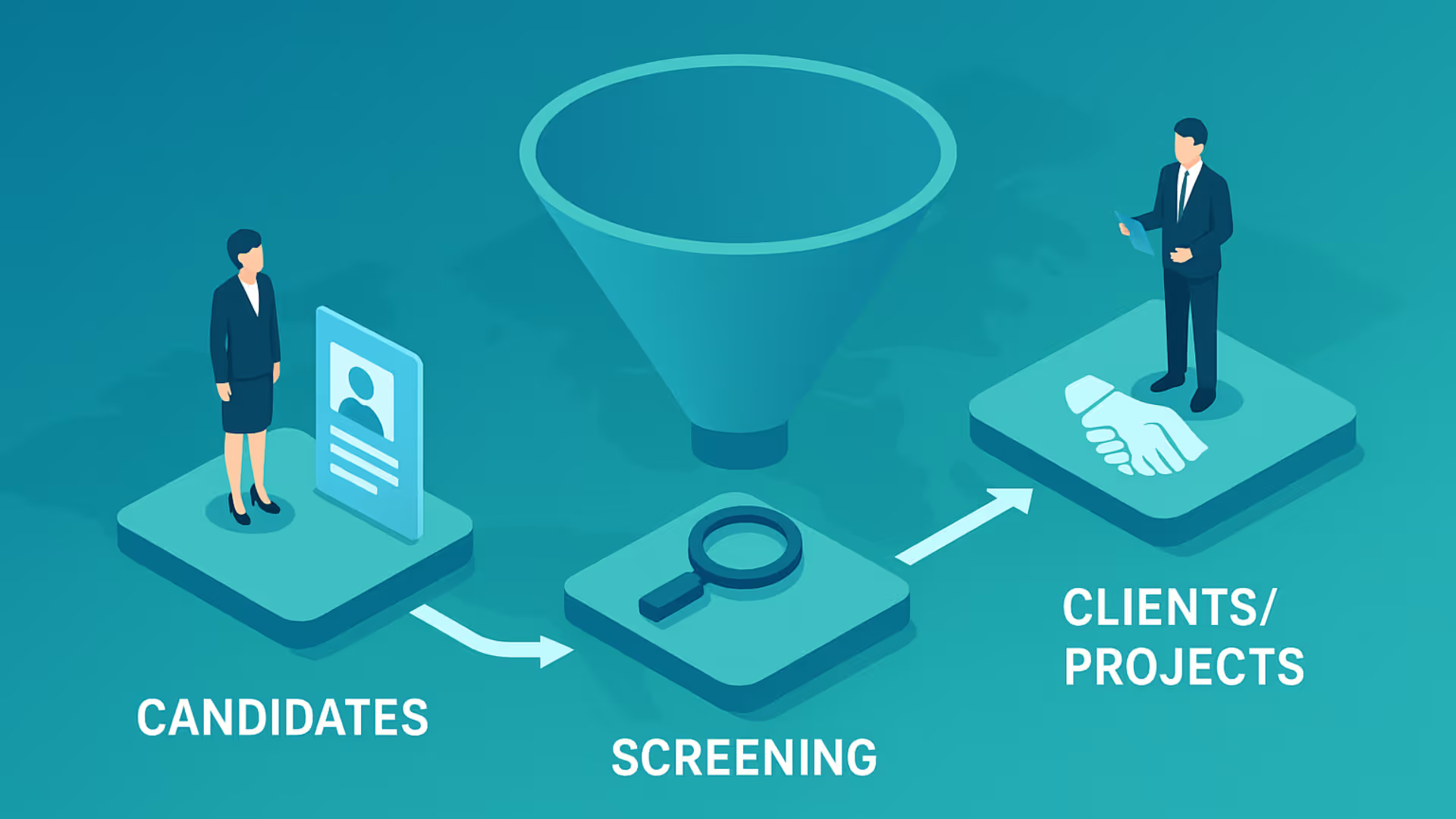


Ever wondered what happens behind the scenes when an IT consultant suddenly lands a project? No, it’s not just luck or a perfect resume- it’s often the result of a bench sales recruiter working tirelessly in the background.
They are the unsung heroes of the staffing world: juggling time zones, vendor calls, and last-minute interviews while matching available consultants to real job opportunities. If you’ve ever heard terms like "hotlist", "submissions" thrown around, you already know what I’m talking about.
This blog breaks down the roles and responsibilities of a bench sales recruiter.
Who is a bench sales recruiter?
What are the roles and responsibilities of a bench sales recruiter?
- Marketing bench consultants
- Identifying job opportunities
- Vendor and customer interaction
- Profile submission and tracking
- Interview scheduling and follow-up
- Negotiating rates and terms
- Maintaining consultant pipeline
- Using CRM and ATS tools
{{callout-3}}
How does a bench sales recruiter work?
A bench sales recruiter typically manages the process of moving an available consultant from the bench to a client or contract project.
1. Review consultant availability
The process starts with reviewing consultants who are currently available for new projects. The recruiter looks at factors such as the consultant’s technical skills, experience, location, work authorization, availability, and preferred project type. This helps the recruiter understand which opportunities may be a good fit for each consultant.
2. Find relevant job opportunities
Next, the recruiter searches for relevant job requirements through staffing vendors, job boards, professional networks, and existing business relationships. The focus is on finding opportunities that match the consultant’s skills, experience, availability, and other requirements.
3. Match consultants to opportunities
Once a suitable requirement is identified, the recruiter compares it with the available consultants in their database. They evaluate factors such as technical expertise, years of experience, location, availability, and project requirements to identify the most suitable consultant for the opportunity.
4. Market the consultant
After identifying a potential match, the recruiter markets the consultant to relevant vendors, recruiters, or clients. This may involve sharing the consultant’s profile, resume, or hotlist and highlighting their relevant skills and experience.
5. Submit the profile
If a vendor or client is interested, the recruiter submits the consultant’s profile for the specific requirement. The recruiter records the submission and tracks its status to ensure that no opportunity or follow-up is missed.
6. Coordinate interviews
If the consultant is shortlisted, the recruiter coordinates the interview process between the consultant and the vendor or client. This can include scheduling interviews, sharing relevant information, collecting feedback, and keeping the consultant updated throughout the process.
7. Negotiate and close
When a consultant is selected, the recruiter may help facilitate discussions around billing rates, contract terms, start dates, and other placement details. Once both parties agree on the terms, the recruiter works toward completing the placement.
8. Track the placement
After the placement, the recruiter updates the consultant's status and maintains records of the project, client or vendor, contract details, and other relevant information. Tracking these details also helps recruiters manage future opportunities and maintain relationships with consultants and vendors.
What skills does a bench sales recruiter need?
- Communication skills
- Time management
- Sales and marketing skills
- Technical knowledge
- Negotiation skills
What KPIs measure success of a bench sales recruiter?
{{callout-2}}
What challenges does a bench sales recruiter face?
1. Time zone differences
Many recruiters, especially those based in India, have to align their work hours with U.S. time zones. This leads to late-night shifts, sleep disruption, and fatigue.
Solution:
- Use scheduling tools like Calendly or Mixmax to automate meeting bookings.
- Prioritise top vendors and high-potential customers early in the shift.
- Adopt rotational shifts or flexible work policies to reduce burnout.
2. Low response rates from vendors or customers
Despite submitting well-matched profiles, recruiters often face silence or delayed responses from vendors and customers.
Solution:
- Personalise subject lines and emails to stand out in crowded inboxes.
- Follow up strategically. Wait 24- 48 hours and use brief, polite nudges.
- Build relationships on LinkedIn or through calls to foster trust and familiarity.
3. Consultants backing out at the last minute
Some consultants withdraw after confirming interviews or even after accepting offers, damaging the recruiter’s credibility.
Solution:
- Stay in regular touch with consultants to assess genuine interest.
- Clearly explain role expectations and project details from the start.
- Have backup candidates ready in case of last-minute dropouts.
4. Visa and documentation complexities
Working with H-1B, OPT, or CPT visa holders requires a good understanding of immigration policies and customer restrictions.
Solution:
- Maintain a visa-status cheat sheet for reference.
- Regularly consult with the legal/compliance team.
- Educate consultants about documentation and customer-specific onboarding requirements.
{{callout-1}}
Day in the life of a bench sales recruiter
A bench sales recruiter’s day starts with scanning the talent bench, matching available candidates to hot job leads, and firing off tailored pitches before competitors beat them to it. Midday is a blur of client calls, candidate interviews, and quick negotiations to lock in offers. By evening, they’re tracking placements, following up on submissions, and prepping tomorrow’s matchmaking
Bench sales recruiter interview questions
If you're hiring or preparing for a role, here are some common interview questions:
How do you market a bench consultant effectively?
How do you ensure that a consultant’s profile is tailored for a specific job requirement?
How do you approach vendors or customers who haven’t responded to your submission?
What steps do you take to ensure consultant satisfaction post-placement?
How many submissions, interviews and placements did you average monthly in your previous role?
How do you handle high pressure situations where multiple submissions are due at once?
According to Glassdoor, The estimated total pay for a bench sales recruiter is ₹68,000 per month in India..





%201%20(1).svg)
.svg)
.svg)
.svg)
.svg)